Compare✳
Same questions. Different answers. Clear decision frameworks for choosing the right AI for your work.

Human review vs autonomous execution: choose by consequence
The consequence of a mistake should influence how much authority an AI workflow receives.
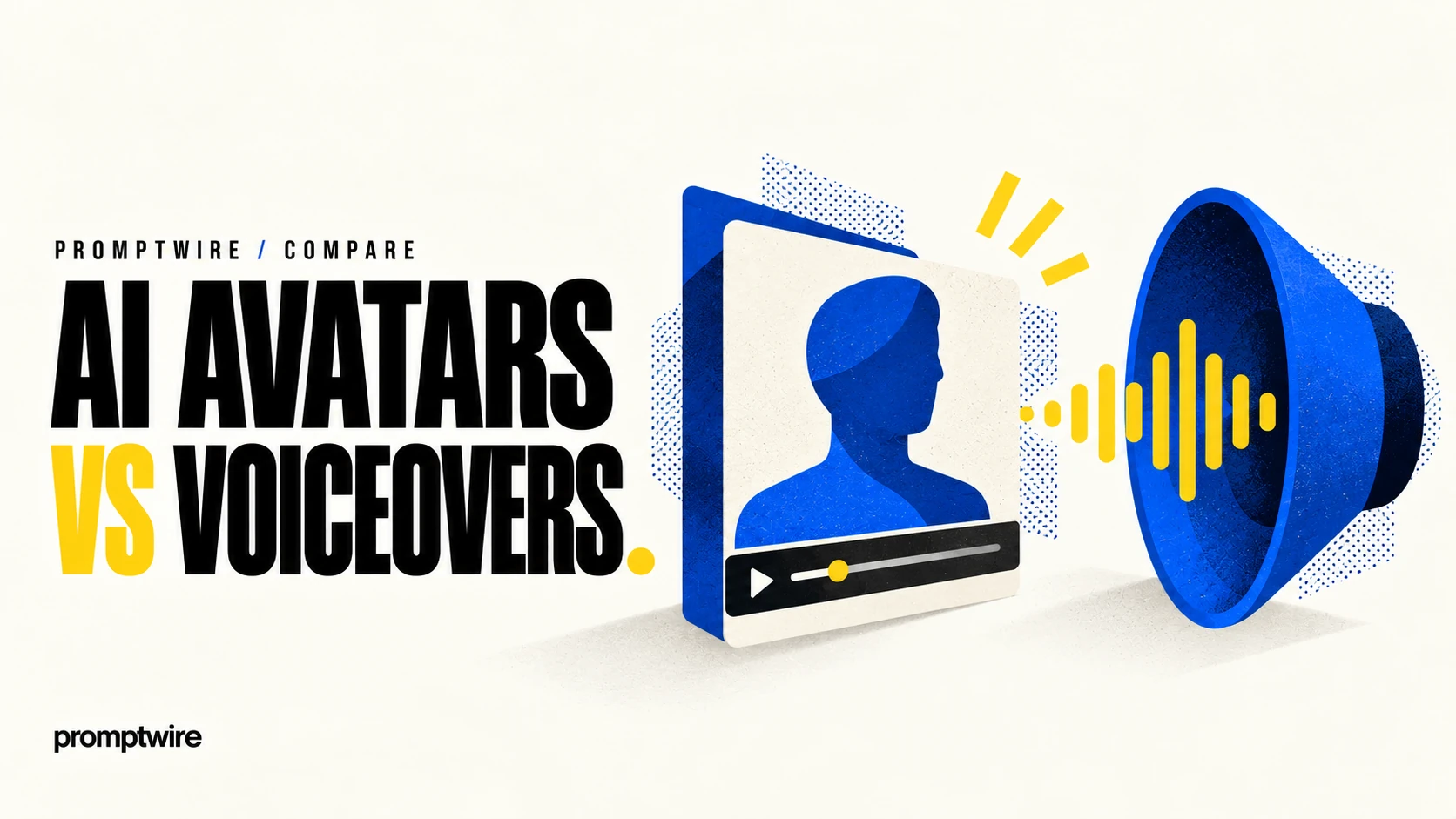
AI avatars vs voiceovers: match format to the audience
A visible presenter and an audio narration serve different editorial purposes.
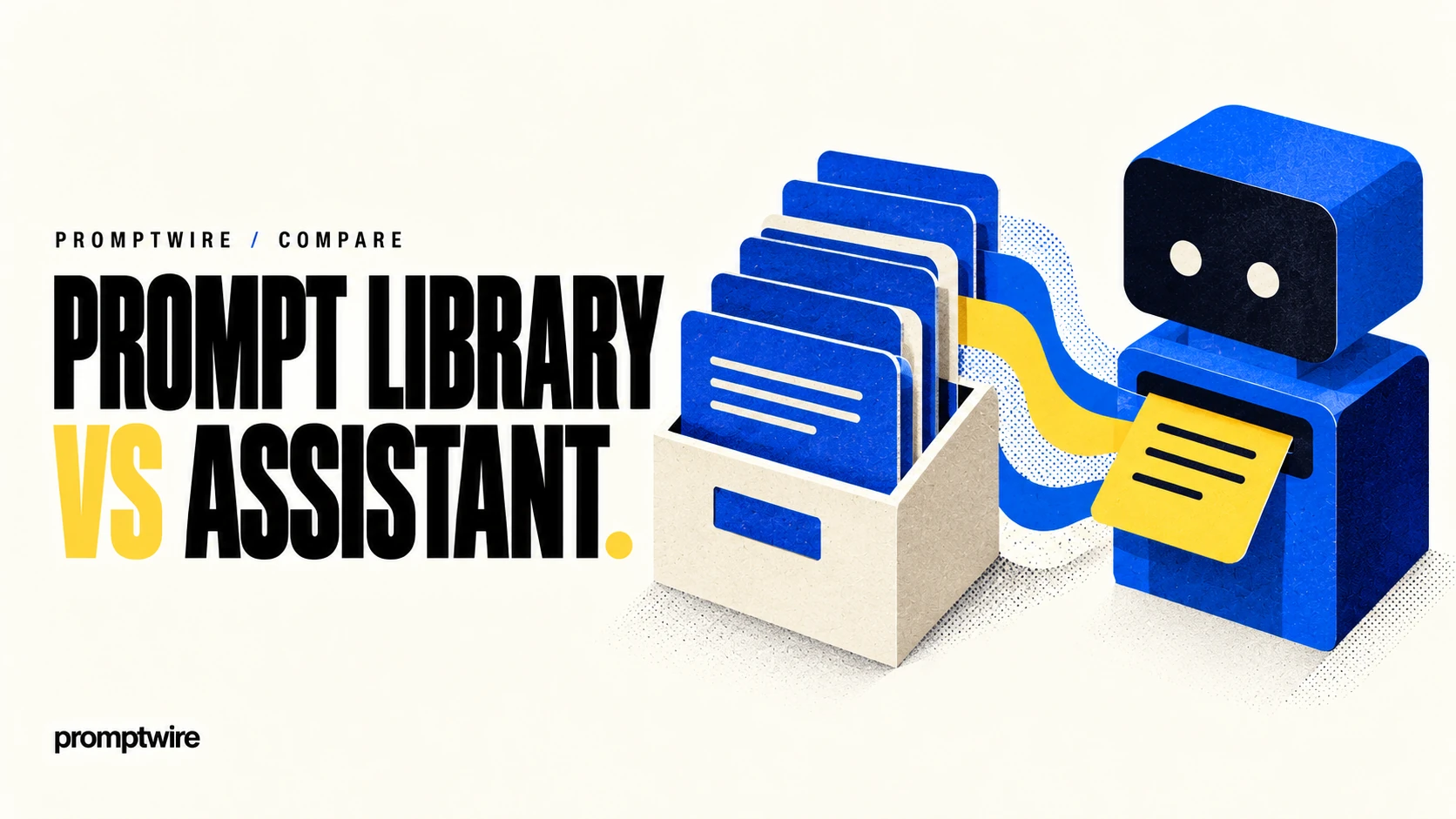
Prompt libraries vs custom assistants: share instructions or behavior
Shared prompts and custom assistants package reusable work at different levels.

API access vs a chat subscription: choose the delivery model
An API provides a building block for software; a chat subscription provides an end-user experience.

Reasoning vs fast-response models: when the wait is worthwhile
Extra computation is valuable when it improves the decision the application actually needs.

Vector vs keyword search: compare retrieval signals
Exact terms and semantic similarity reveal different kinds of relevant material.
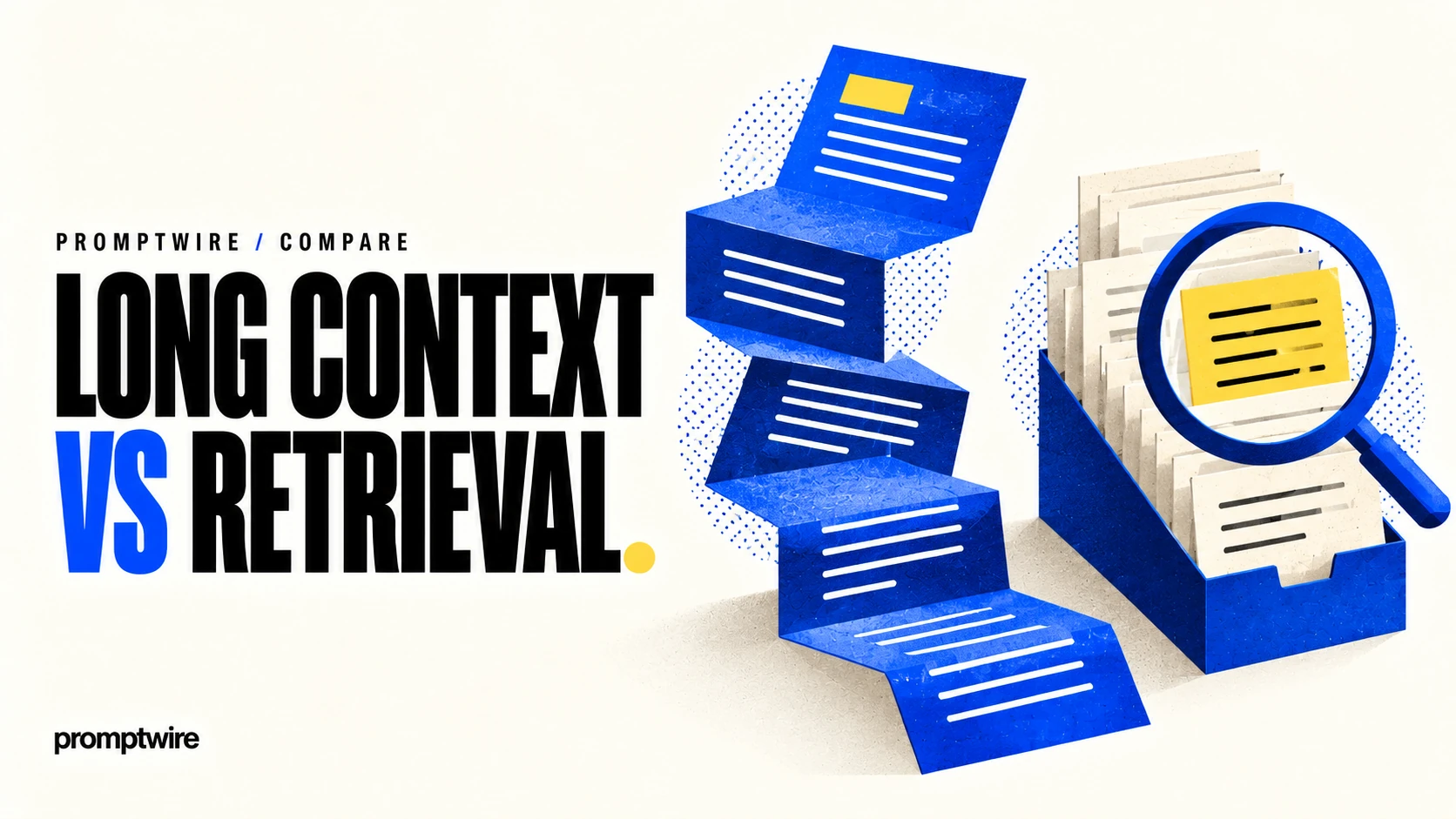
Long context vs retrieval: choose how evidence reaches the model
A large context window and a retrieval pipeline offer different ways to put evidence in reach.
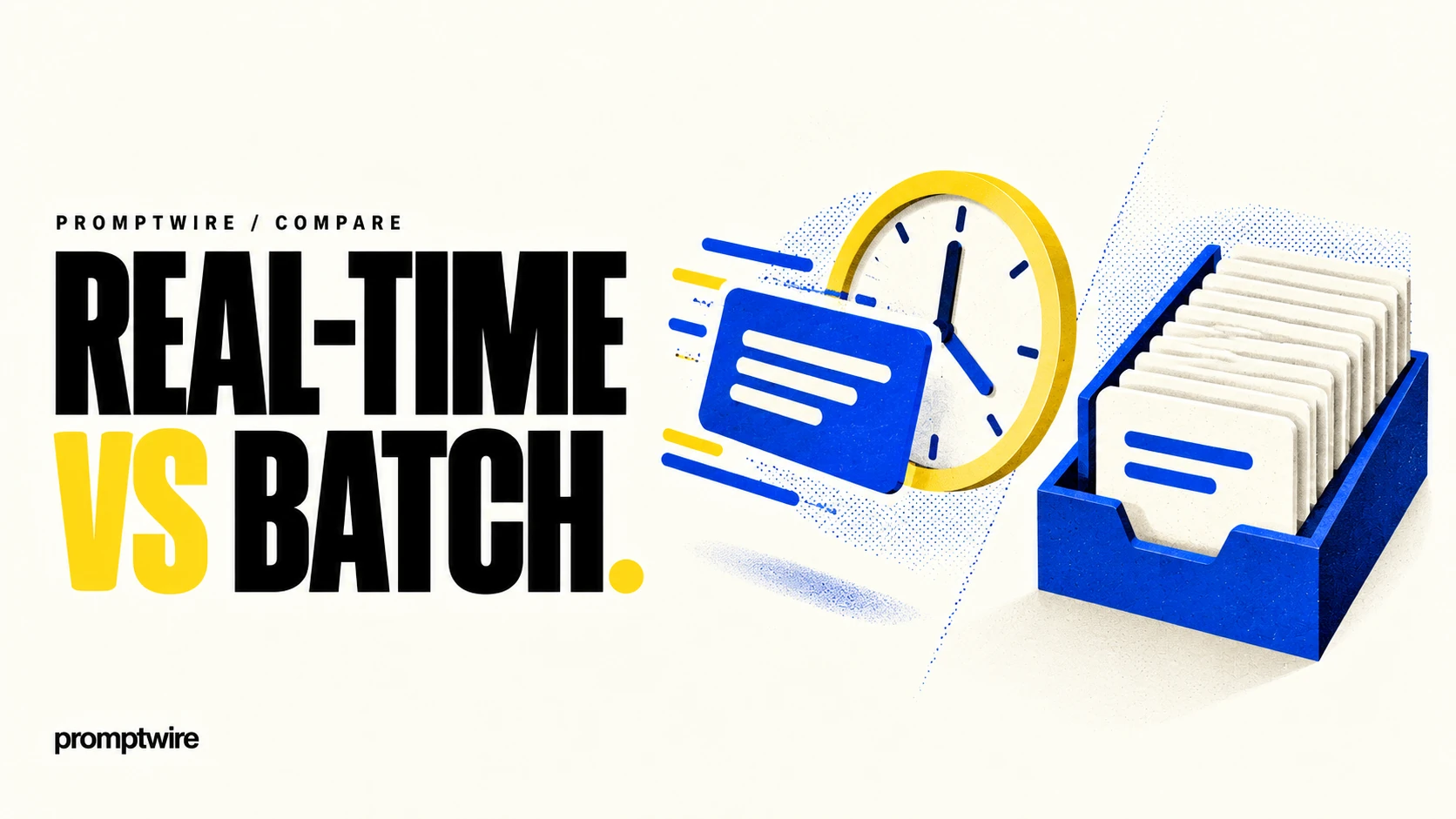
Real-time vs batch AI: compare urgency and cost
The right processing schedule depends on when the result becomes useful.

Otter vs Fireflies: choose a meeting knowledge workflow
Otter and Fireflies are best compared through the accuracy and usefulness of the meeting record.

DeepL vs an AI assistant: evaluate translation in context
DeepL and a general AI assistant should be compared on meaning, terminology and the surrounding translation workflow.

Open weights vs closed models: compare the responsibilities
Model access is only one part of the responsibility you accept when choosing an AI system.

RAG vs fine-tuning: knowledge access or behavior change?
Retrieval changes what evidence reaches a model; fine-tuning changes aspects of its learned behaviour.