Compare✳
Same questions. Different answers. Clear decision frameworks for choosing the right AI for your work.

Runway vs Luma: choose around the shot you need
Runway and Luma should be compared around the shot you need, including continuity and editing requirements.

Suno vs Udio: compare a music-generation workflow
Compare Suno and Udio through a defined musical purpose and the current path to a usable output.

Claude vs Gemini: evaluate document-heavy work
For document-heavy work, compare Claude and Gemini on evidence handling, coverage and review effort.

Cursor vs GitHub Copilot: compare coding workflows
Compare Cursor and GitHub Copilot around repository work, review habits and the cost of changing your setup.

Replit Agent vs Lovable: choose a prototype workflow
Replit Agent and Lovable should be tested through one complete prototype journey.

Recraft vs Leonardo: compare illustration workflows
Evaluate Recraft and Leonardo as ways to build a coherent illustration family.
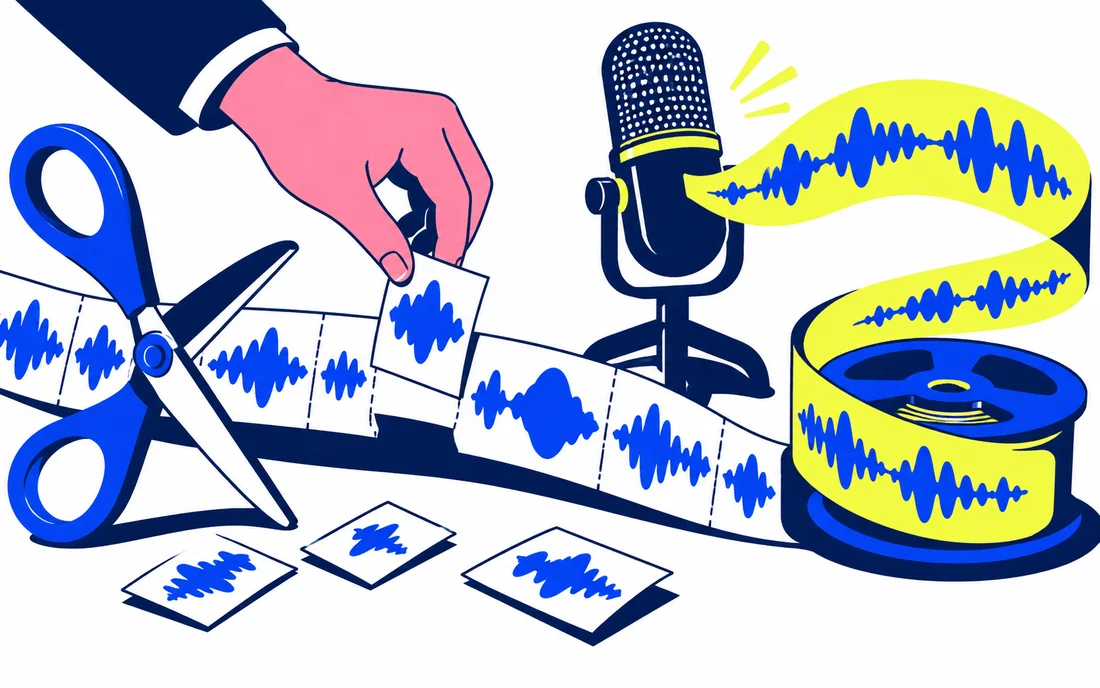
Descript vs ElevenLabs: transcript editing or voice production
Descript and ElevenLabs address overlapping audio work from different starting points.

Zapier vs Make: choose an AI automation approach
Compare Zapier and Make around the automation you need and the person who will maintain it.

ChatGPT vs Gemini: compare the workflow around the answer
ChatGPT and Gemini should be compared as complete workflows, including the services and evidence around the answer.

Gemini Notebook vs Perplexity: curated sources or wider discovery
Gemini Notebook and Perplexity offer two useful starting points: a curated collection or broader discovery.
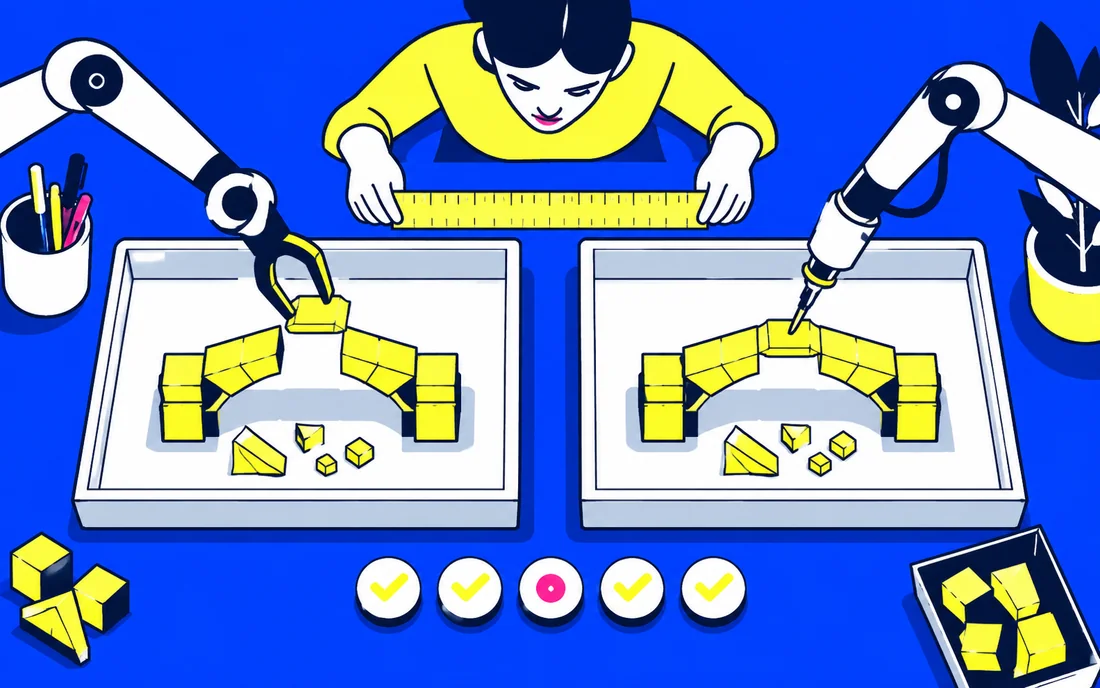
Claude Code vs Codex: compare coding agents on bounded work
Claude Code and Codex are best compared on a completed software task with clear boundaries.

ChatGPT vs Claude: choose around your actual tasks
Compare ChatGPT and Claude using a small set of your own tasks, with the same evidence and acceptance criteria.