Compare✳
Same questions. Different answers. Clear decision frameworks for choosing the right AI for your work.
Make a choice you can explain.
Compare the same tasks, evidence and quality threshold. Our decision guides show what to measure and which trade-offs matter, without inventing scores or a universal winner.

ChatGPT Astra vs Gemini Argon vs Claude Fable: Which AI should you choose?
GPT-6 Astra, Gemini 4 Argon and Claude Fable 5.1 compared: access, API pricing, coding, business work and the trade-offs that matter.
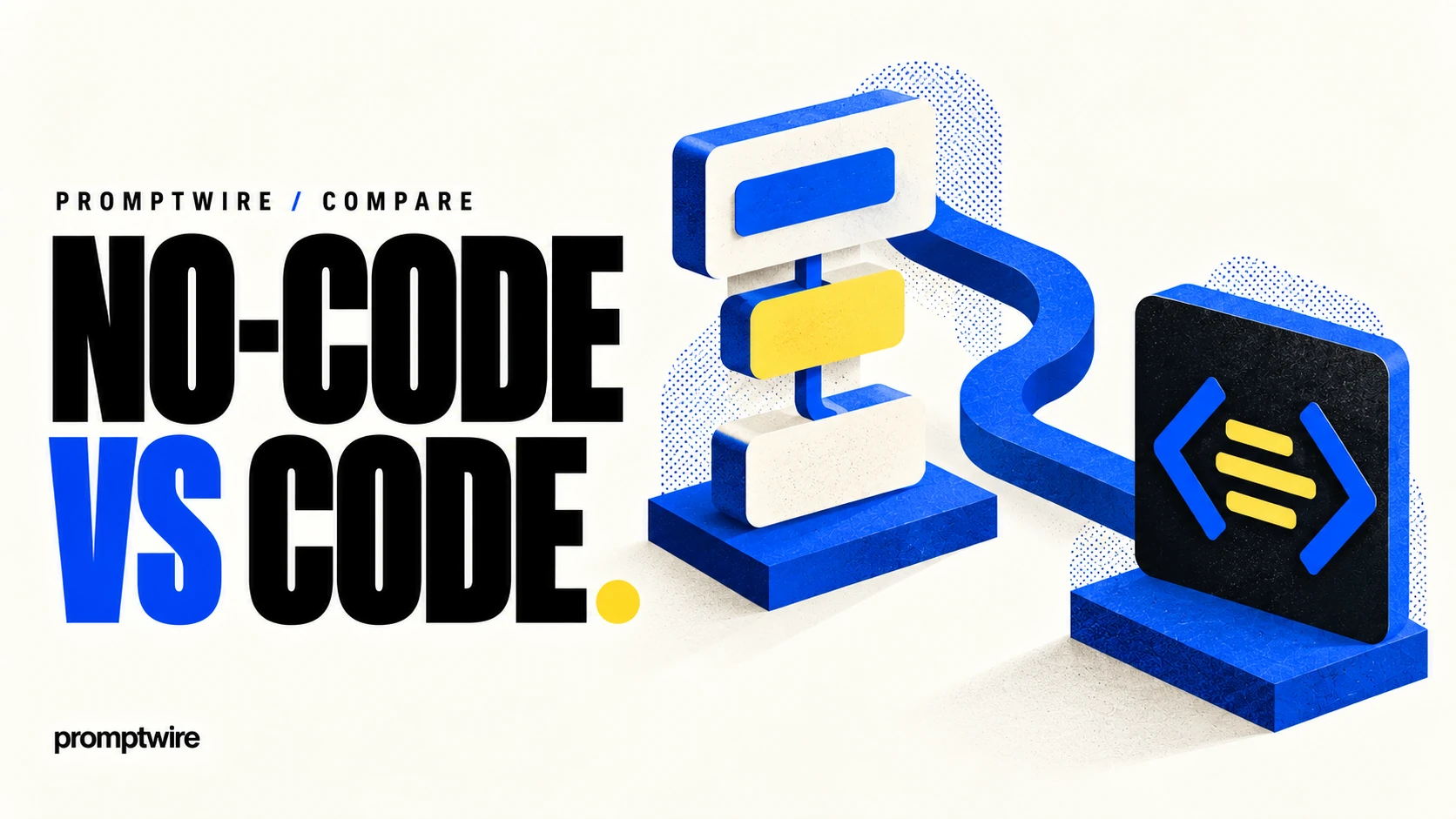
No-code vs code-based AI workflows: choose the right ownership
A visual builder and a codebase move complexity to different places.

Accuracy tests vs preference tests: measure the right kind of quality
Correctness and preference answer different questions about an AI output.

Voice vs text interfaces: fit the interaction to the setting
Voice and text create different demands on attention, privacy and error recovery.
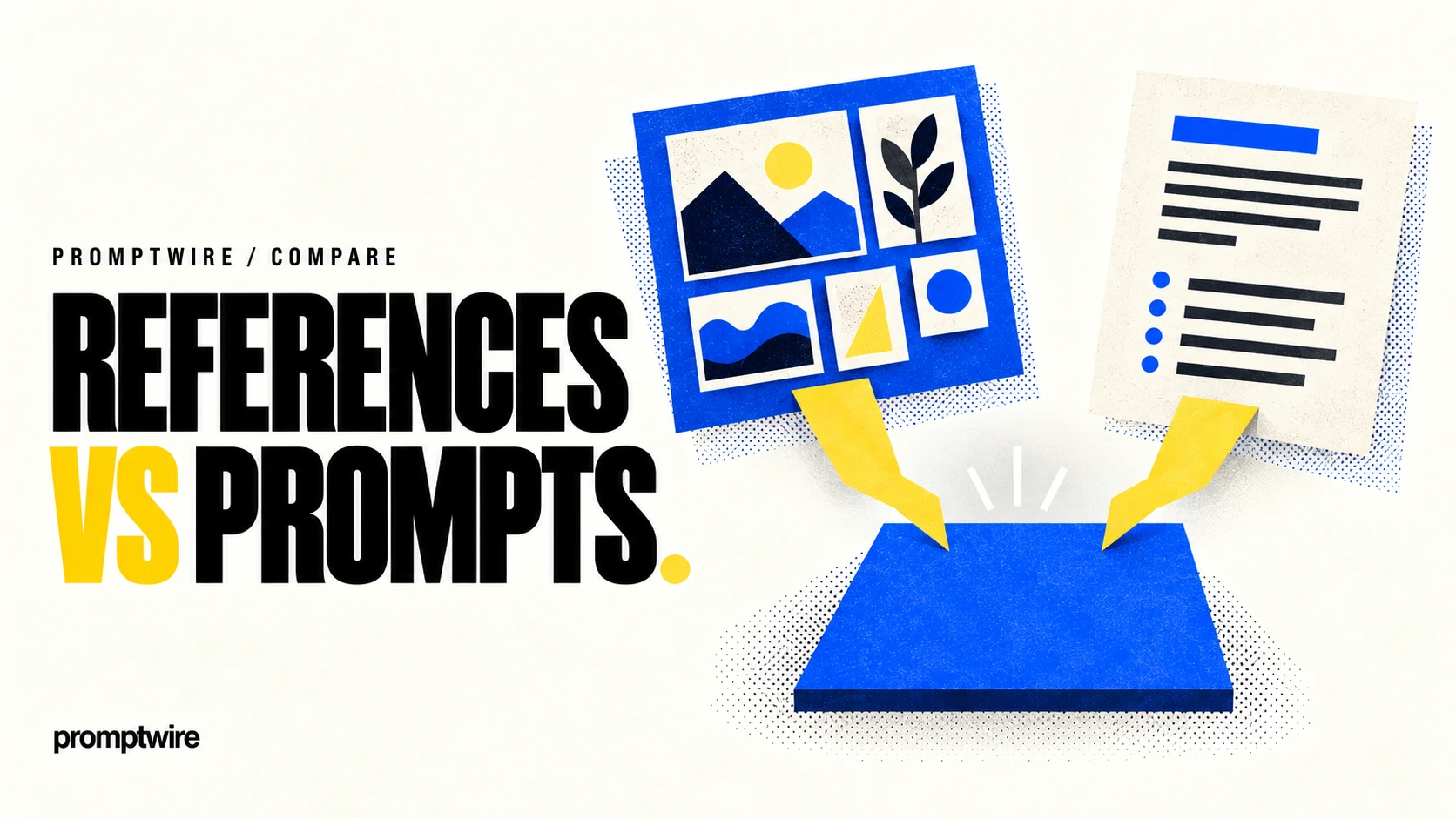
Reference images vs text prompts: control a visual direction
A reference image can show relationships that are cumbersome to describe, while text can specify what should change.

Consumer vs enterprise AI plans: compare the operating requirements
An organisation’s operating requirements can matter more than a plan’s headline feature list.
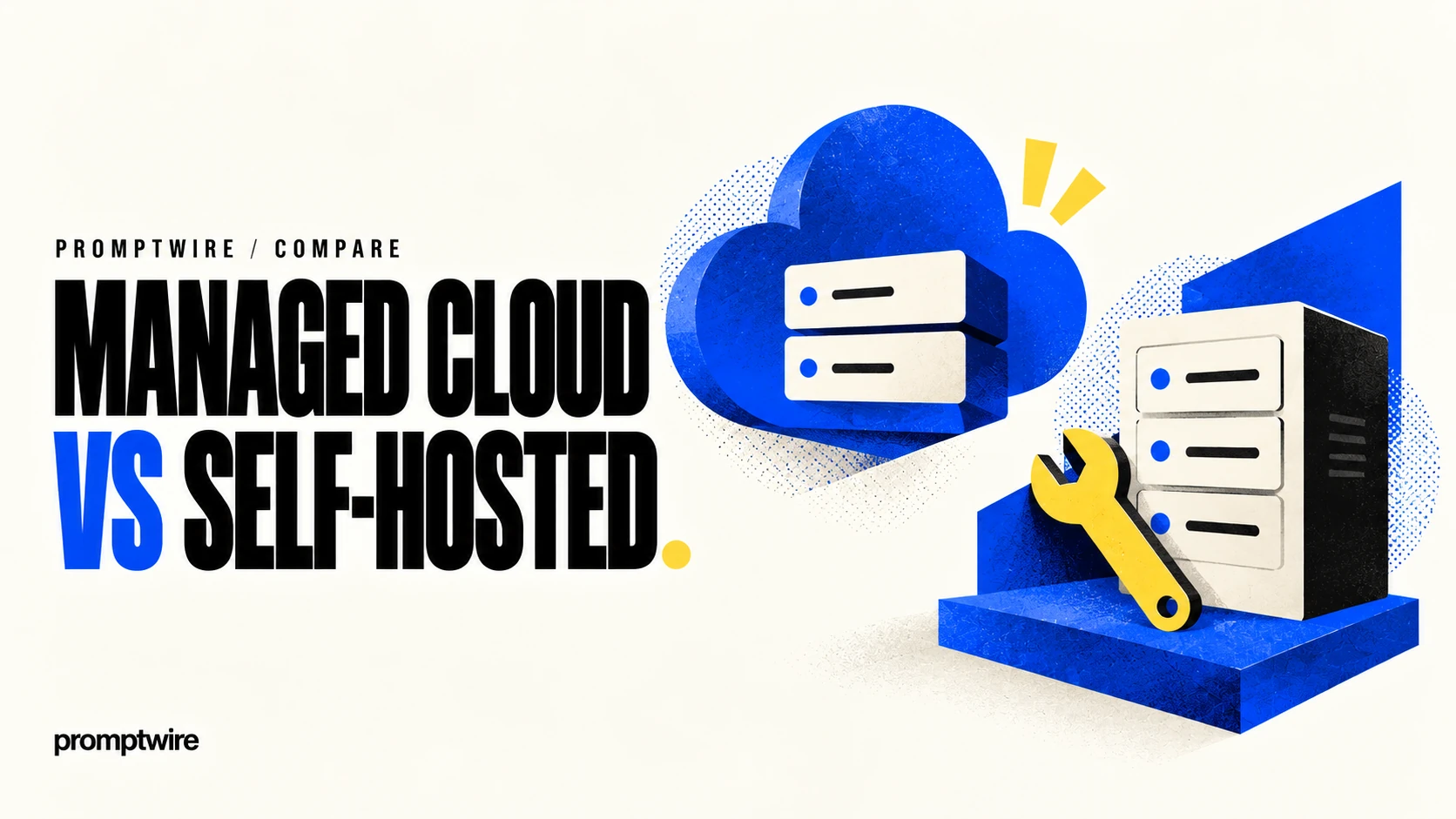
Managed cloud vs self-hosting: compare the operational burden
Running the service yourself changes the operational workload; it does not remove it.

Text-to-video vs image-to-video: choose the right starting point
The starting material changes which parts of a video’s appearance you can specify in advance.
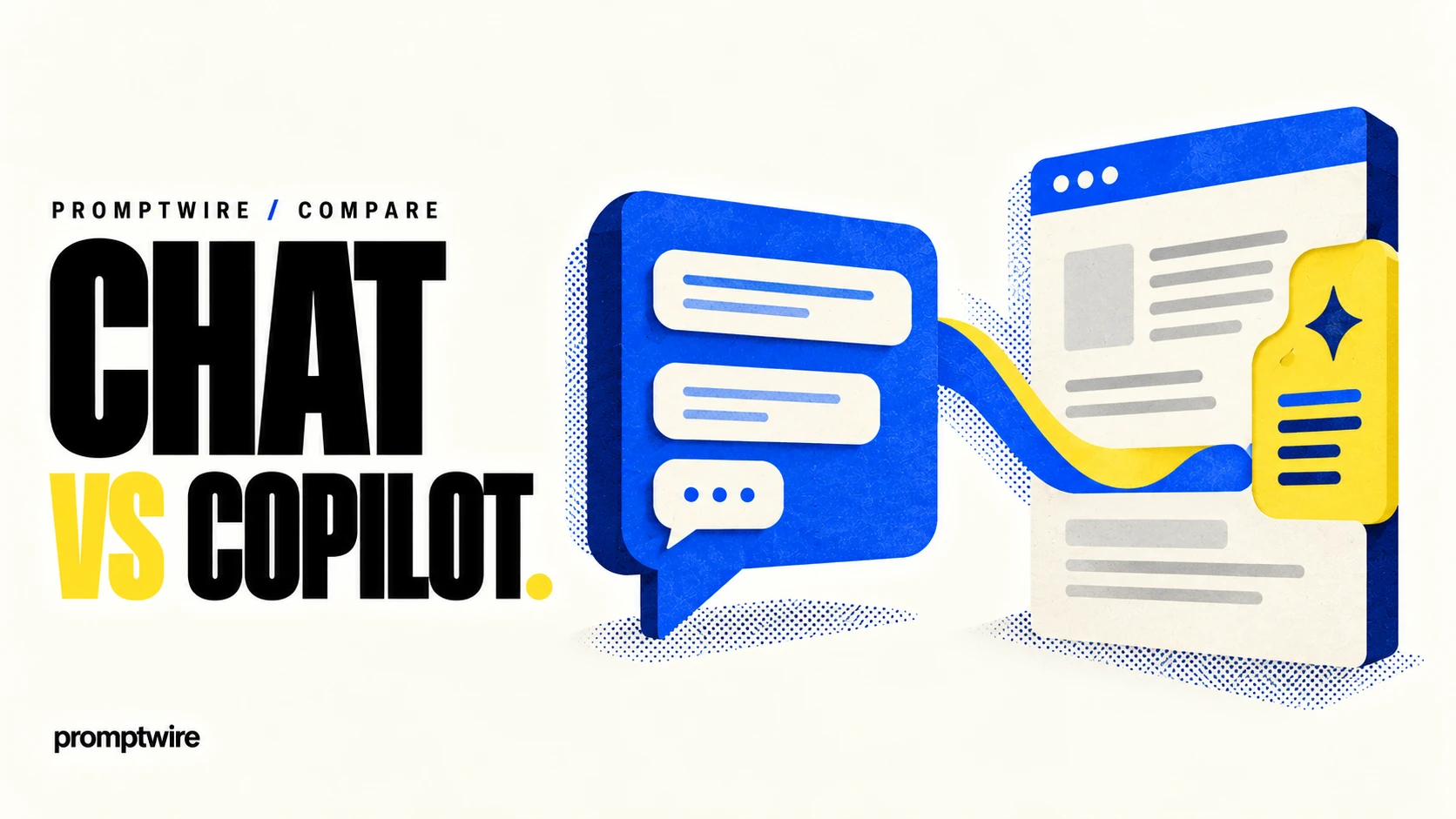
Chat interfaces vs embedded copilots: meet users inside the work
A separate conversation and an assistant inside an existing application ask users to work in different ways.

Seat-based vs usage-based AI: compare the cost structure
The pricing unit influences predictability, but the workload determines the bill.

Agents vs fixed workflows: where should decisions happen?
The central question is where your software should allow a model to choose its next step.

Single-agent vs multi-agent systems: compare coordination costs
More agents create more coordination work as well as more opportunities for parallel exploration.