Tools✳
What a tool does, where it fits and how to put it to work. Practical guides for a fast-moving toolkit.
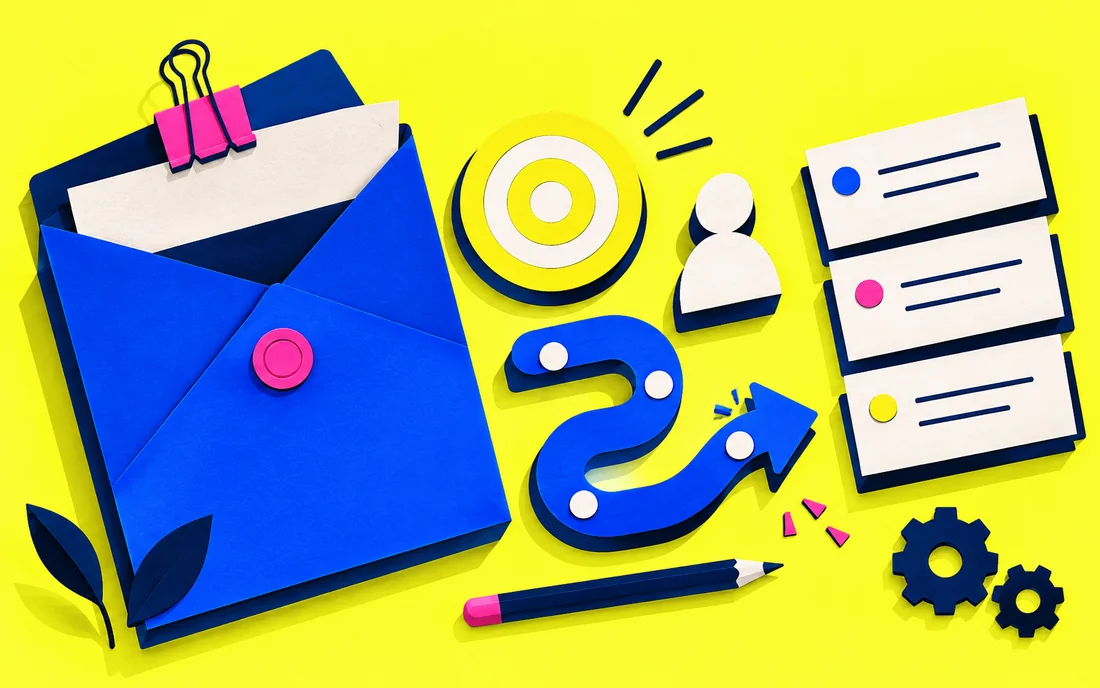
Lovable: prepare a useful brief for an app builder
A clear Lovable brief describes the problem, the user’s first action and the data that must survive.

Canva AI: turn one campaign idea into a visual system
Canva AI works best inside a campaign system with a clear message and repeatable visual rules.
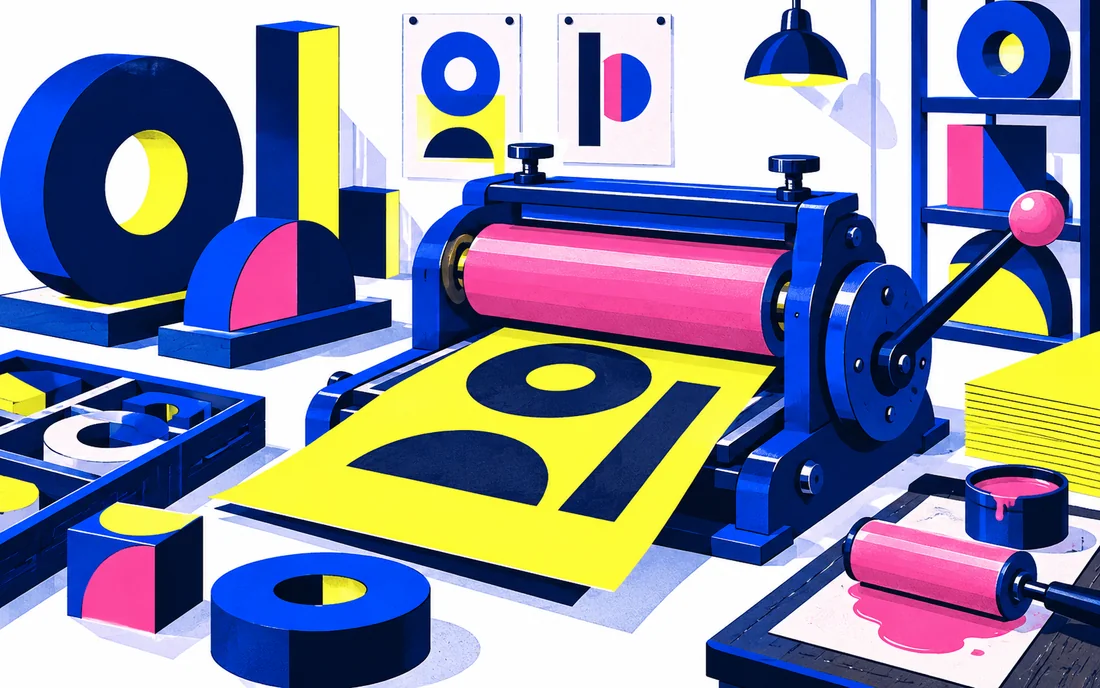
Ideogram: plan typography-led image concepts
Typography-led concepts need short copy, a strong hierarchy and careful final proofreading.

Runway: storyboard before generating a video
A Runway workflow becomes easier to direct when the story is broken into individual shots.
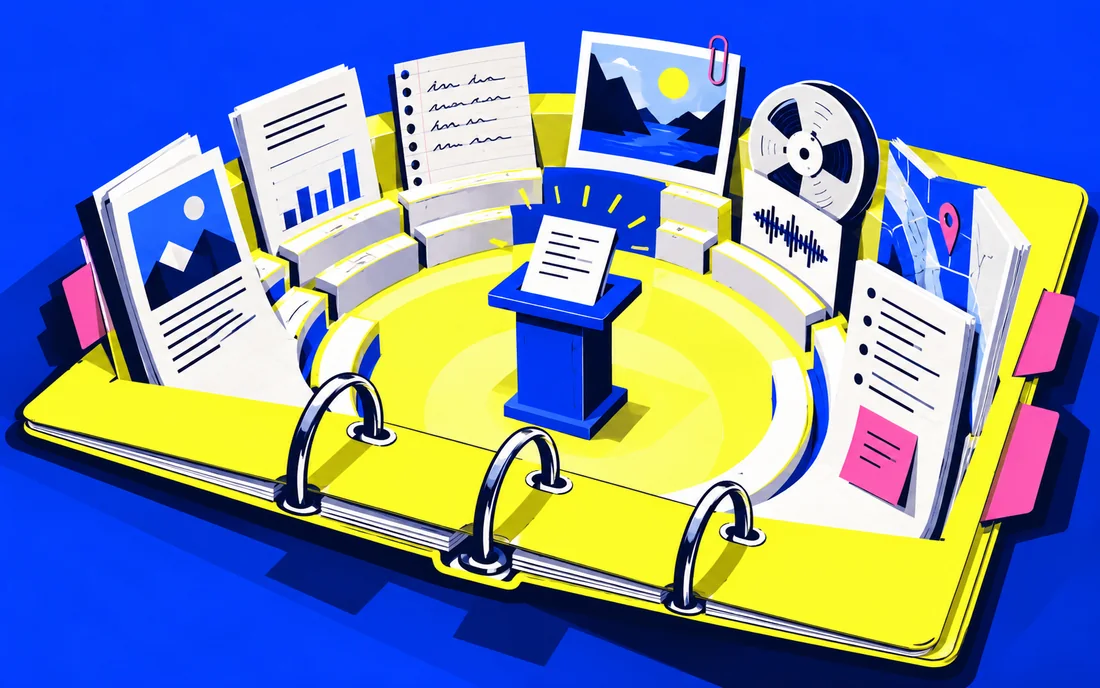
Gemini Notebook (formerly NotebookLM): organise a source-based briefing
Google’s renamed research product still benefits from a carefully selected source collection.

Codex: plan a reviewable software change
A useful Codex task ends with a change someone can review and a clear account of what was checked.

Replit Agent: take a small app from idea to prototype
Replit Agent can help shape a prototype when the first version has a small, complete user journey.

ChatGPT: build a research-to-draft workflow
Use ChatGPT to organise evidence before asking it to turn that evidence into a finished draft.

Microsoft Copilot: start with a defined workplace task
Start Microsoft Copilot with one workplace task and the information that task actually requires.
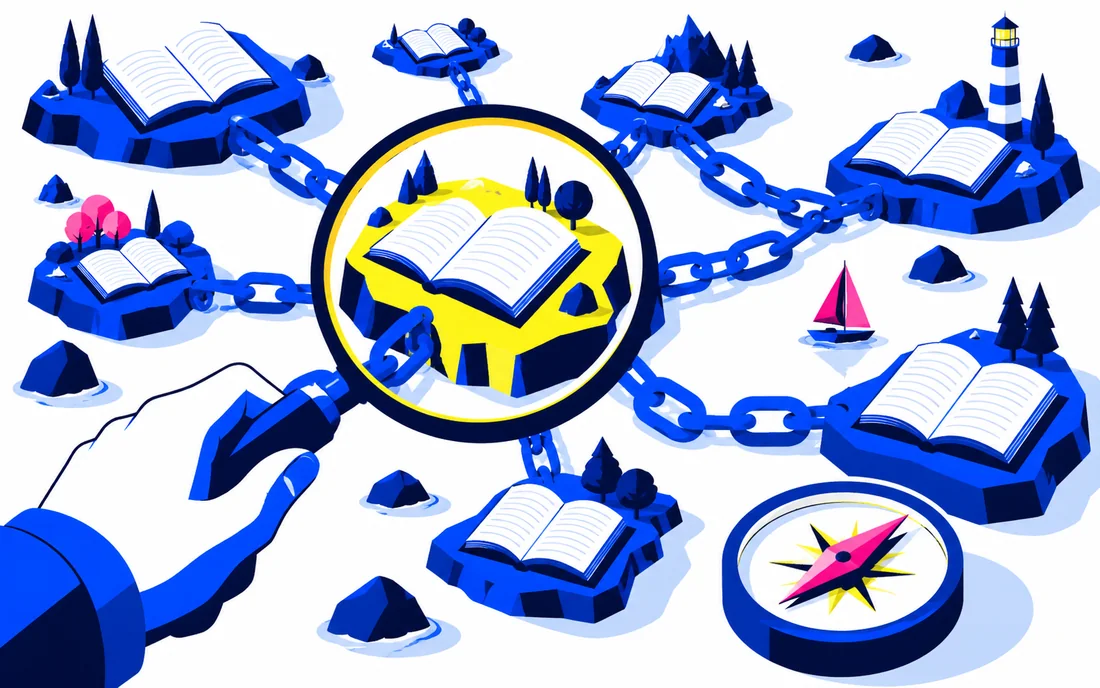
Perplexity: explore a topic through linked sources
Perplexity can help open a research trail. Follow its links before relying on the answer.

Claude Code: scope a coding agent to a concrete task
Claude Code works best with a concrete software objective, an explicit scope and a reviewable result.

GitHub Copilot: move from suggestions to reviewed code
GitHub Copilot suggestions become useful software only after they pass the project’s normal review process.