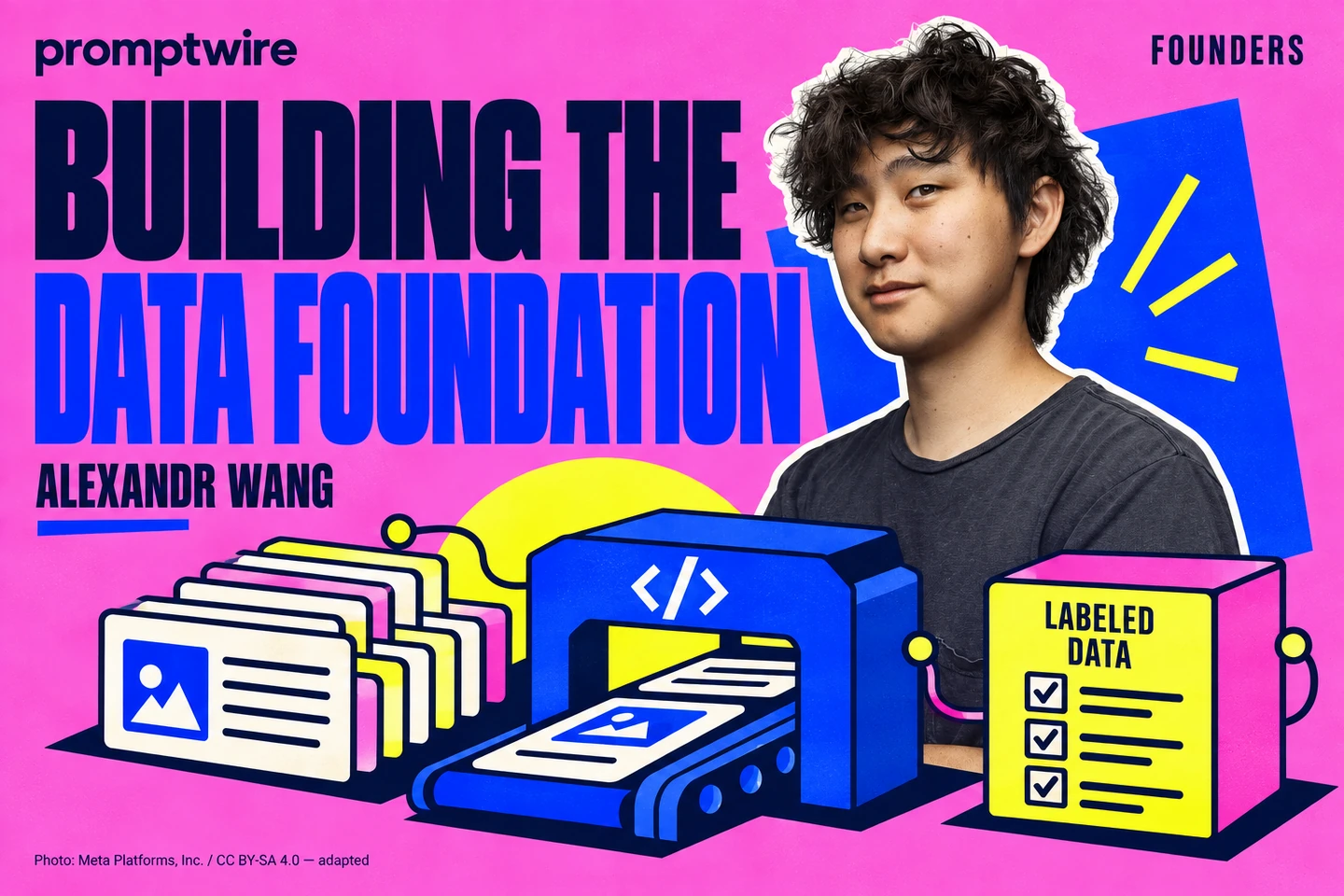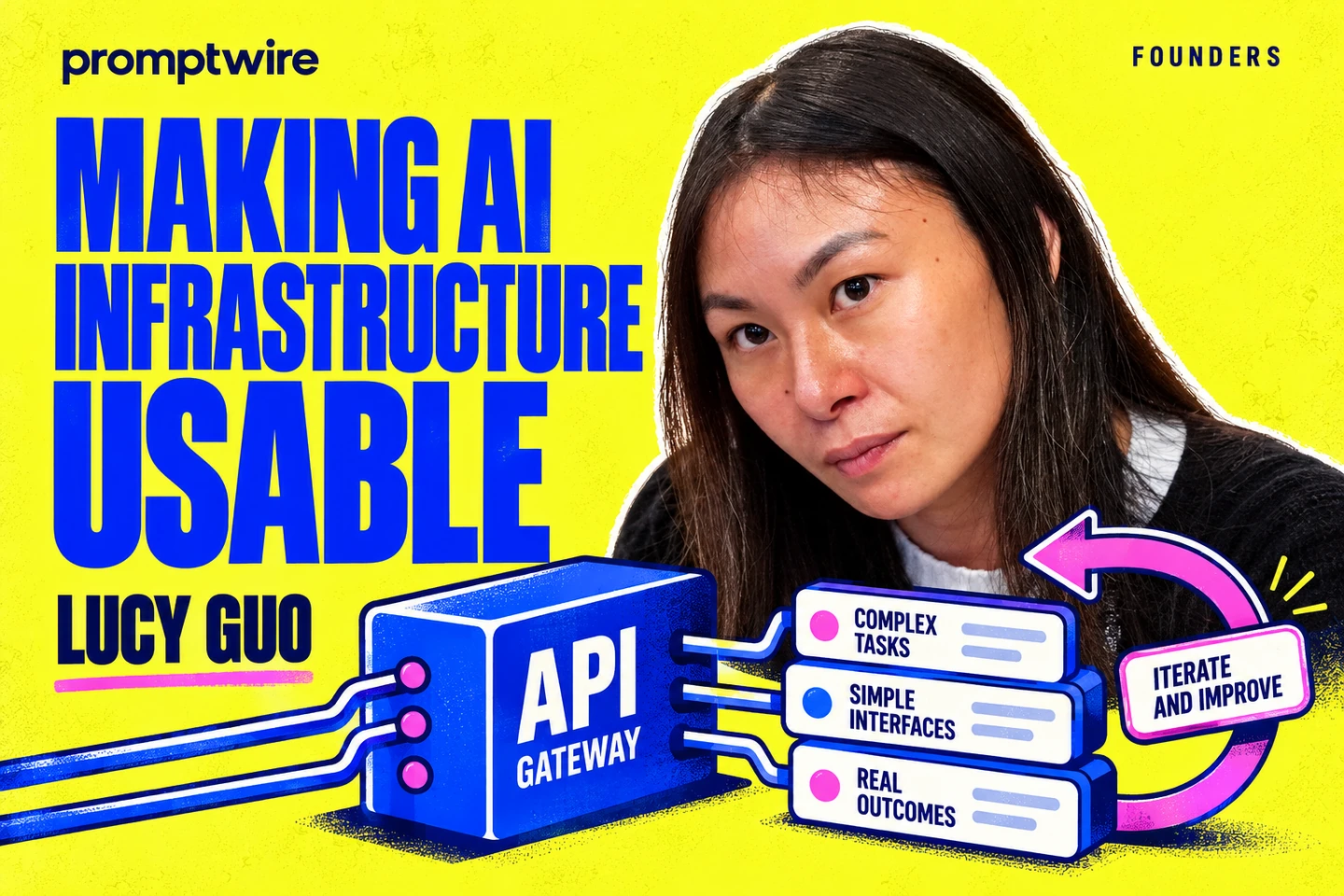
Lucy Guo co-founded Scale AI alongside Alexandr Wang, as documented in Y Combinator's early interview. Its original API made human-assisted tasks accessible to developers. This historical profile focuses on the product insight of turning a complex operational service into an interface that software teams can use.
- Person
- Lucy Guo
- Company chapter
- Scale AI
- Area of work
- APIs, data operations and product design
The founding context
Y Combinator’s interview with Scale’s founders names Lucy Guo alongside Alexandr Wang. The early company presented an API for tasks such as categorisation and extraction that combined software access with human work. This is a historical account of that product idea, not a claim about Guo’s current role at Scale.
Public record: Scale AI: founder biography or company record
What does an API hide, and what should it expose?
An API gives a developer a consistent way to request work and receive a result. Behind that interface may be people, queues, quality checks and exception handling. Good abstraction reduces unnecessary complexity without concealing information the customer needs, such as uncertainty, delay or failure. Scale's early interview makes this distinction relevant to Guo's founding story. The product problem was not simply putting a form in front of human work; it was making that work usable inside another system's expectations.
Why edge cases shape an operational product
A request might be incomplete, contradictory or outside the available categories. If the interface forces every case to look successful, downstream software can act on a result that should have been reviewed. Our interpretation is that operational products need explicit states for uncertainty and failure, not only a convenient happy path. For example, an extraction service should distinguish a missing field from an unreadable document. Those outcomes can require different actions even if both would otherwise appear as an empty value.
A product-design exercise for AI builders
Take a human-reviewed classification task and write the interface contract before choosing a model. Define valid inputs, output states, response timing and what happens when a reviewer cannot decide. Include a way to request clarification or route a case for further review. Then ask whether an automated component can satisfy the same contract. This is our illustrative exercise, not an account of Guo's design process. It shows how lessons from a human-assisted API can apply to modern AI products without pretending the underlying judgement has disappeared.
Questions about Lucy Guo
Does this profile describe Lucy Guo's current role at Scale?
No. It covers the founding chapter documented in the cited interview. A historical co-founder relationship does not establish a current operational position.
Can an API-based AI service return uncertainty?
Yes. Its design can include explicit unknown, incomplete or review-required states. Those states are often more useful than forcing a confident answer for every input.
Follow the evidence.
This AI-assisted profile combines the linked public record with Promptwire's editorial analysis. It is not an interview or a hands-on product review. Suggested tests are proposals, not reported results. Dated roles describe the period identified in the text. Company claims are attributed to their source.
Public sources support the factual background. Analysis and illustrative exercises are identified in the text. How we assess AI · Editorial standards
Spot a factual error or an outdated detail?