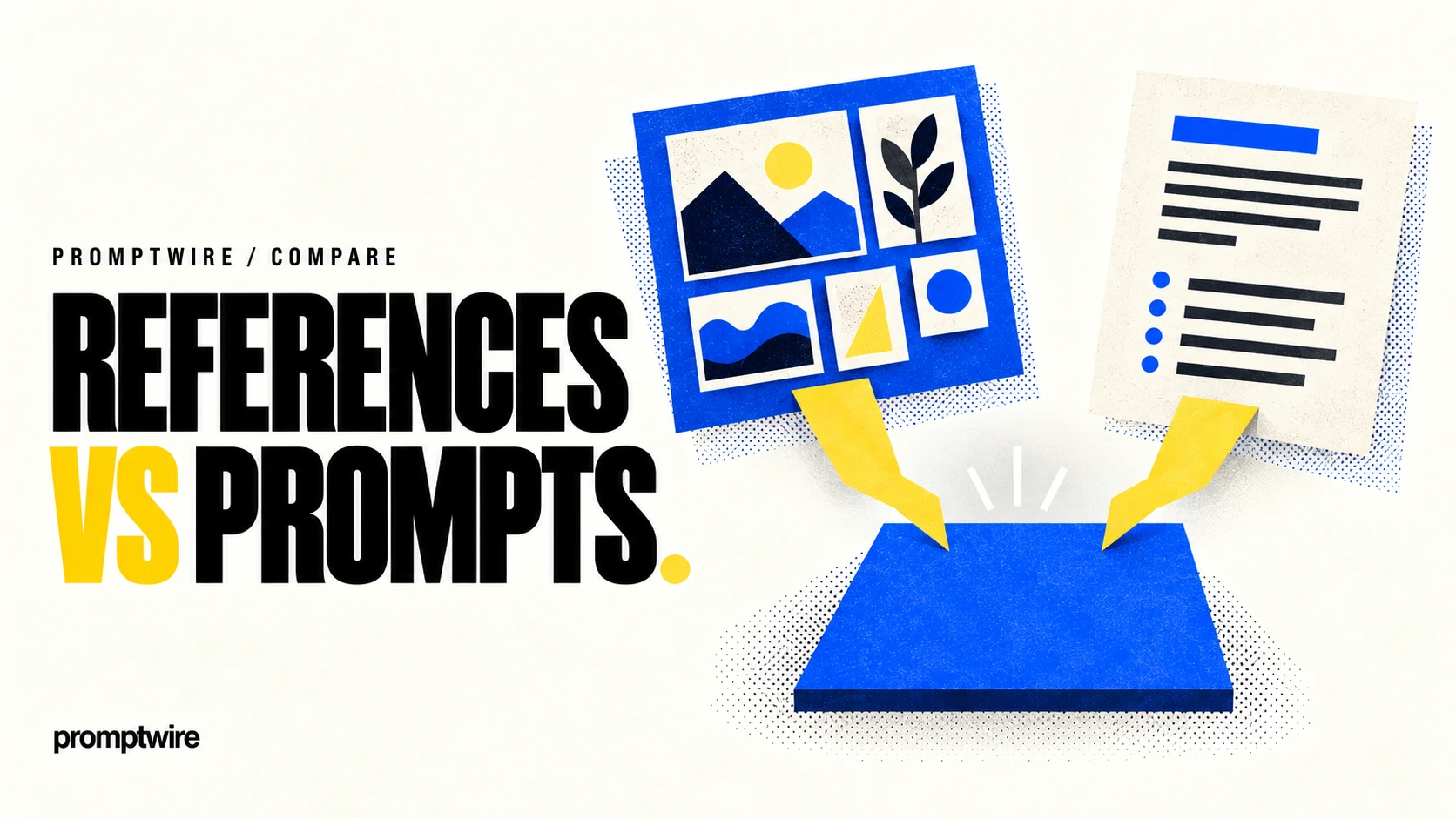
AI image generation creates imagery from inputs such as text or reference images. A useful workflow defines the intended communication, required details and permissible changes. Visual appeal, factual accuracy, consistency and rights to use the material are separate review questions.
Describe the scene
State what should be shown and why it matters. For an article about AI agents, a sequence from a request to a completed task gives the illustrator a narrative. ‘Futuristic AI’ provides far less guidance. Identify the focal point and the relationship between the main objects.
Design for placement
A cover viewed as a small card needs a simpler composition than a full-page illustration. Reserve space only when the final layout actually requires it, and keep essential details away from likely crop areas. Describe a coherent palette and rendering style instead of combining many unrelated visual references.
Review meaning before polish
First ask whether the image communicates the article’s idea. Then inspect visual hierarchy, object consistency and distracting details. Avoid treating generated diagrams or labels as precise technical evidence. A useful experiment is to write a one-sentence caption for the proposed scene before generation; if the caption does not connect to the article, revise the concept. Good image direction makes the visual argument clear before it adds texture, atmosphere or decoration.
A worked example
For an article about AI agents, choose a visual metaphor showing a sequence of actions rather than a generic robot portrait. Define composition and palette, then inspect the image at thumbnail size. If a real product is depicted, check whether its shape and markings remain accurate. Add final publication typography separately when exact spelling and layout matter.
Questions readers ask
What makes an AI article cover useful?
It should communicate the article's specific idea, remain readable at small size and preserve important details. Aesthetic appeal alone does not establish contextual relevance.
Follow the evidence.
AI-assisted explanation with linked technical references. Examples are illustrative learning exercises, not reported customer deployments or experimental results.
Public sources support the factual background. Analysis and illustrative exercises are identified in the text. How we assess AI · Editorial standards
Spot a factual error or an outdated detail?