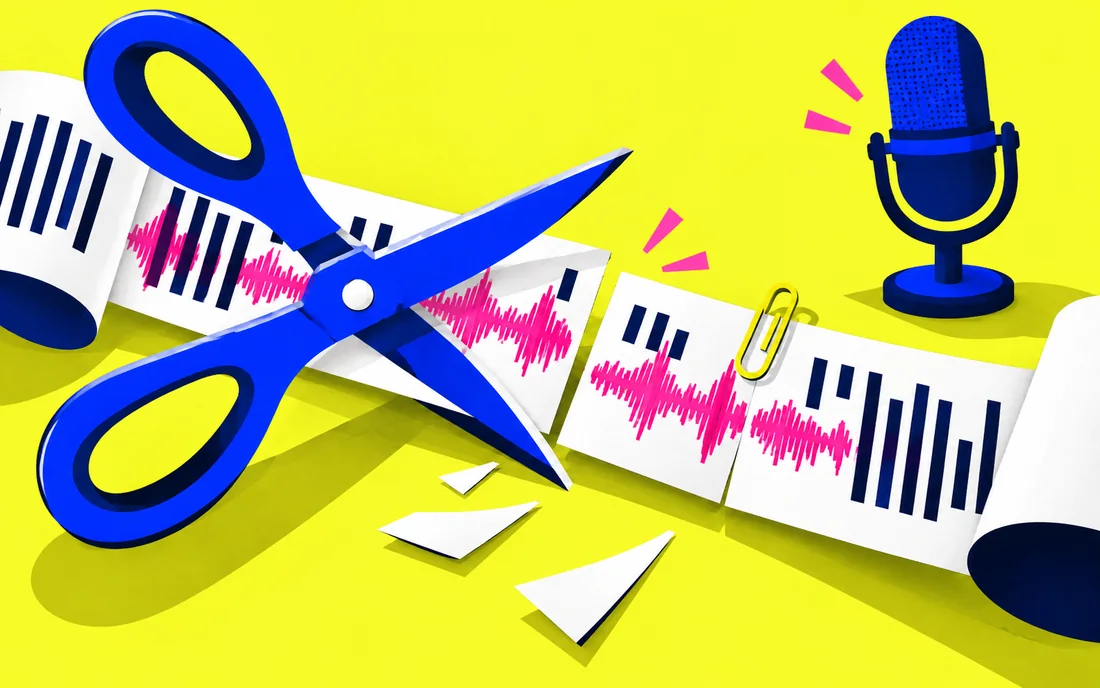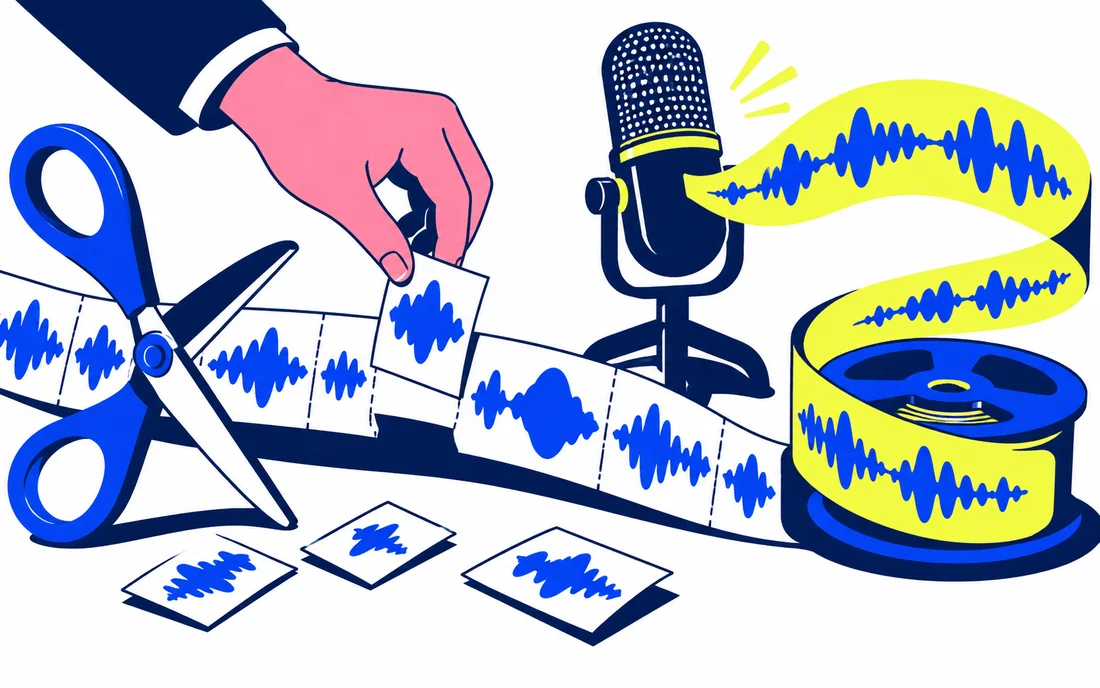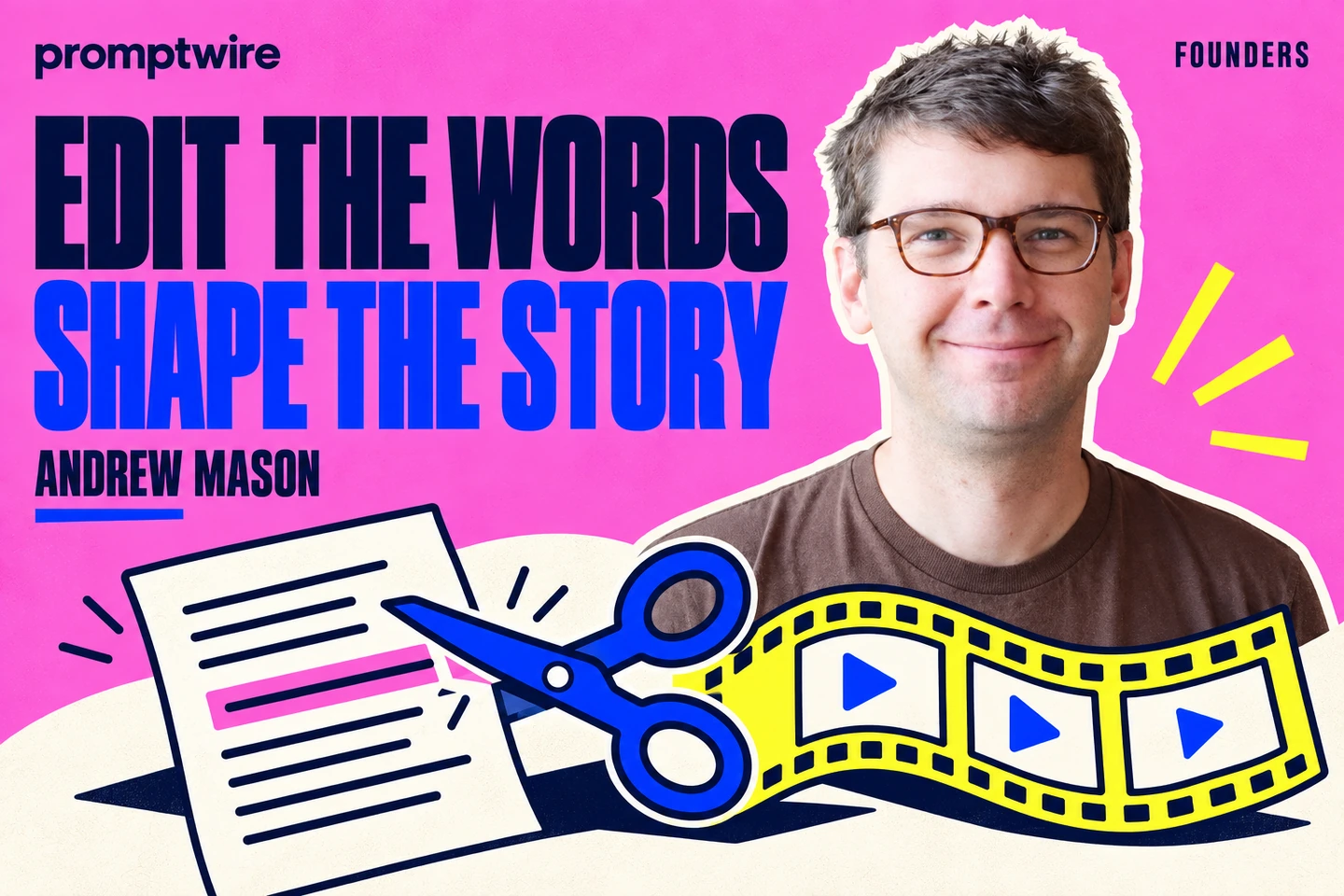
Andrew Mason is Descript's founder and chief executive, according to its author biography. Descript connects audio and video editing with a text-based interface. His founder story illustrates how AI can make an established creative task more approachable by changing the representation people manipulate, not only by generating new material.
- Person
- Andrew Mason
- Company
- Descript
- Area of work
- Transcript-based audio and video editing
A different editing surface
Descript’s author biography identifies Andrew Mason as its founder and CEO. The company’s transcript-centred approach connects recorded audio and video to editable text. This makes an existing activity approachable through an interface many people already understand.
Public record: Descript: founder biography or company record
Why changing the editing interface matters
Many people are comfortable revising a document but unfamiliar with a traditional media timeline. A transcript-based interface can let them locate and change spoken material through words. That can make some editorial tasks easier to understand. However, spoken delivery includes pauses, emphasis and visual context that a transcript alone cannot capture. Our analysis is that the interface works best when the editor can move between text and playback, using the document as a navigation aid without losing the qualities of the original performance.
What automation can accidentally remove
A hesitation may be distracting, but it can also signal uncertainty or preserve the natural rhythm of speech. Removing every pause or filler can change the apparent confidence of a speaker. Cutting words can also create a misleading impression if the surrounding context is lost. For a recorded interview, review the meaning as well as the pacing of the final edit. Mason's product story is therefore a useful reminder that easier manipulation increases the importance of deliberate editorial judgement.
A practical editing pilot
Use a recording you are authorised to edit and create a short version with a defined message. Check transcript accuracy around names and negations before making cuts. Listen to the final result without reading the text, then inspect transitions and captions. Compare editing time with the time spent fixing automated changes. This is a proposed assessment, not a Descript product test. It evaluates whether the interface helps produce a clear and faithful piece rather than treating the number of automated edits as a measure of quality.
Questions about Andrew Mason
Is a transcript a complete representation of a recording?
No. It omits or simplifies timing, emphasis, tone and visual context. Playback remains necessary when editing for meaning and clarity.
Should every filler word be removed automatically?
No. Decide based on the purpose and naturalness of the piece. Some hesitations carry meaning or help preserve the speaker's intended tone.
Follow the evidence.
This AI-assisted profile combines the linked public record with Promptwire's editorial analysis. It is not an interview or a hands-on product review. Suggested tests are proposals, not reported results. Dated roles describe the period identified in the text. Company claims are attributed to their source.
Public sources support the factual background. Analysis and illustrative exercises are identified in the text. How we assess AI · Editorial standards
Spot a factual error or an outdated detail?