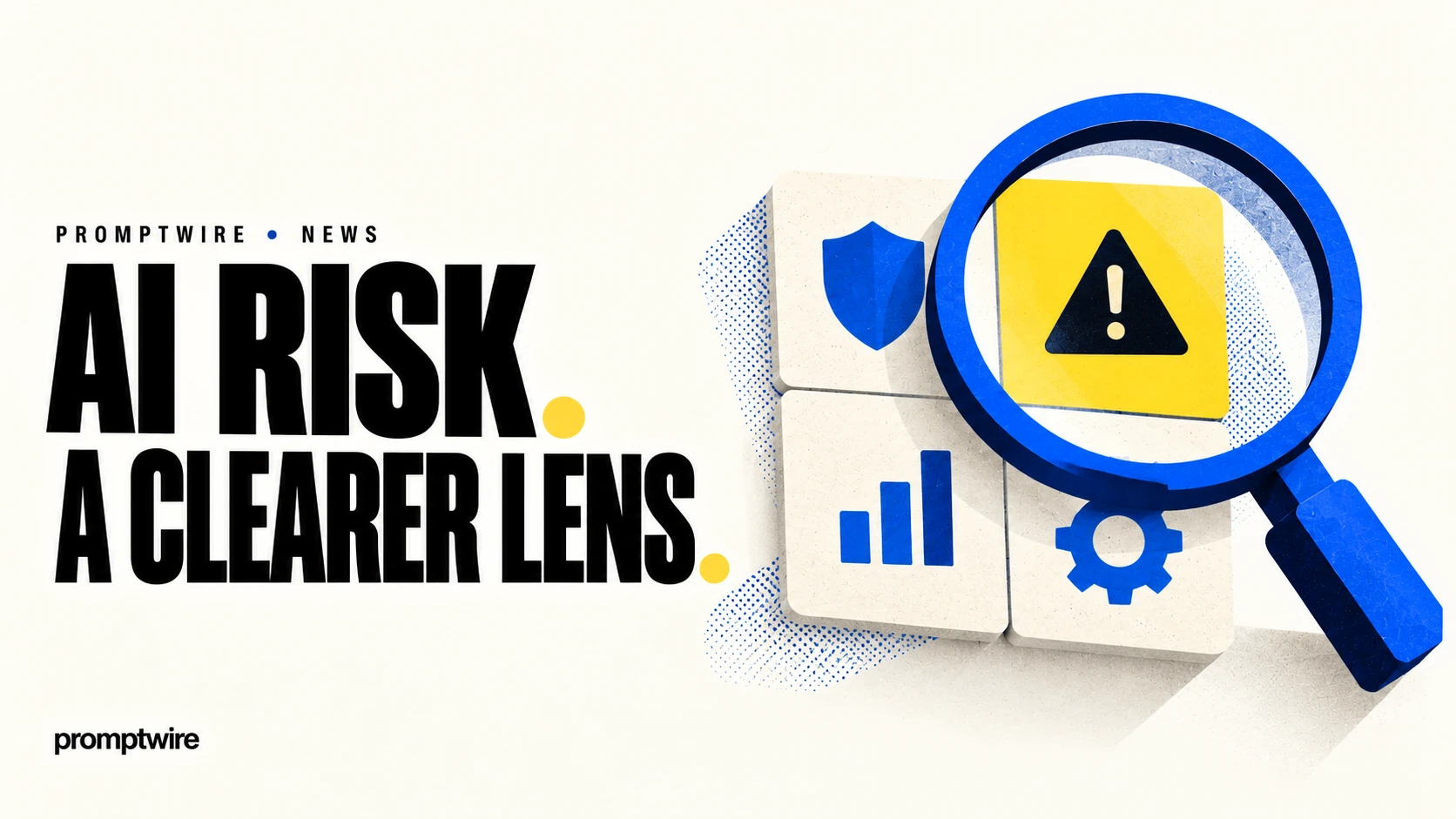
NIST released AI Risk Management Framework 1.0 in January 2023 and a generative AI profile in July 2024. The framework is intended for voluntary use in the design, development, use and evaluation of AI systems. Its core functions—Govern, Map, Measure and Manage—organise work that continues throughout deployment.
Read the dated primary source ↓What a framework can do
A shared structure can help teams connect technical findings to accountable decisions. It does not certify a product or eliminate uncertainty. The usefulness comes from applying it to a real system, with named owners and evidence about the people and processes affected.
How to begin
Describe the intended use, identify important failure modes and decide how they will be measured. Record which risks are accepted, mitigated or escalated, then revisit the assessment when the system changes. Use NIST’s official resources to select practices appropriate to the context.
What this means in practice
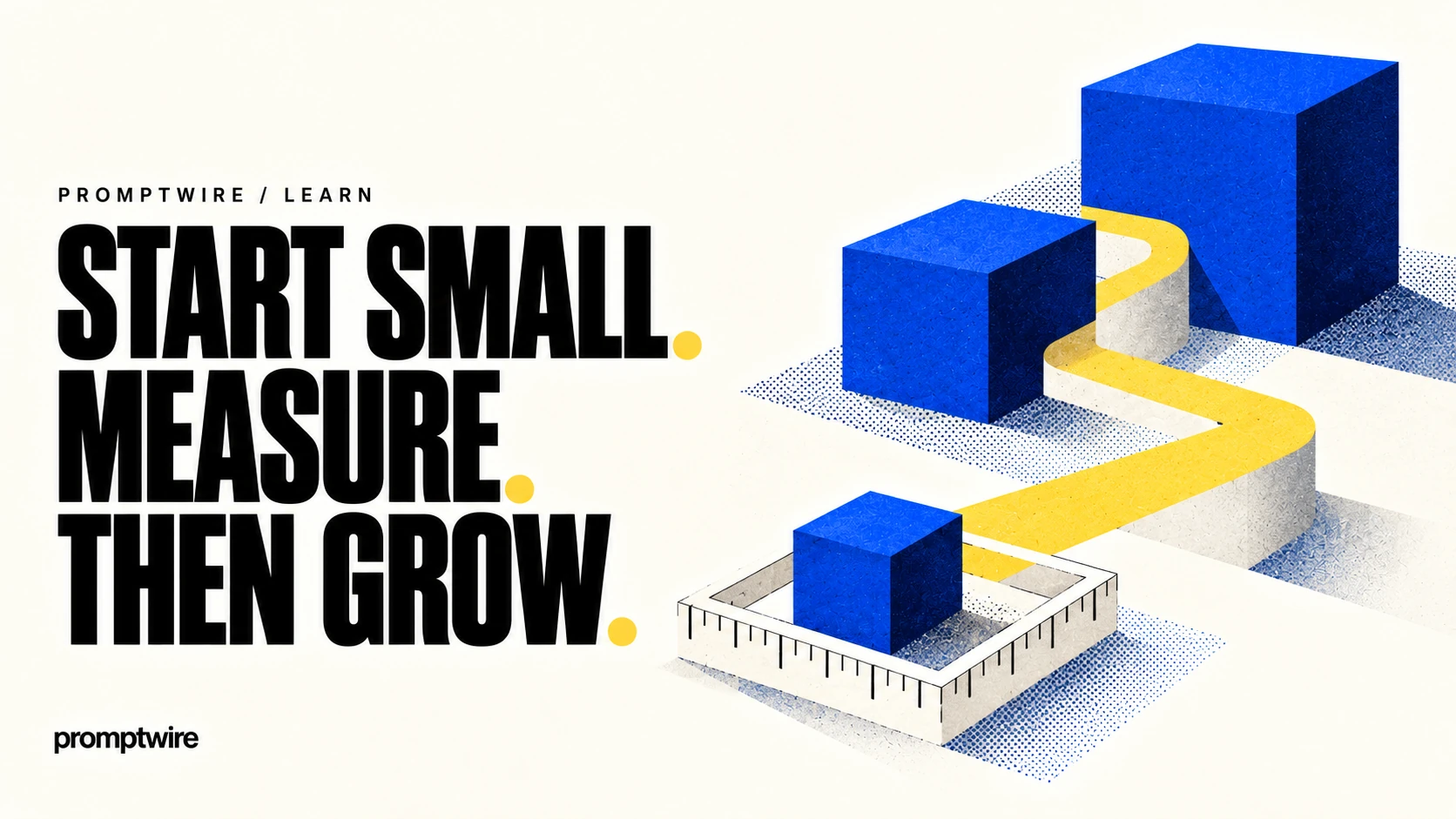
A risk-management framework is most useful when it changes decisions throughout a system's life. Connect identified risks with owners, measurements and responses, then revisit them when the task or deployment changes. Treating the framework as a one-time document exercise can miss the operational evidence needed to manage an evolving AI service.
Questions readers ask
Is a risk framework a one-time certification of an AI product?
No. It supports an ongoing process of understanding, measuring and managing risk in context. Application requires evidence and accountable decisions.
Follow the evidence.
Source-based coverage of the dated announcement below, with Promptwire analysis. Company-reported claims are attributed to their source. The update date reflects added context and answers; it does not change the original event date.
Public sources support the factual background. Analysis and illustrative exercises are identified in the text. How we assess AI · Editorial standards
Spot a factual error or an outdated detail?