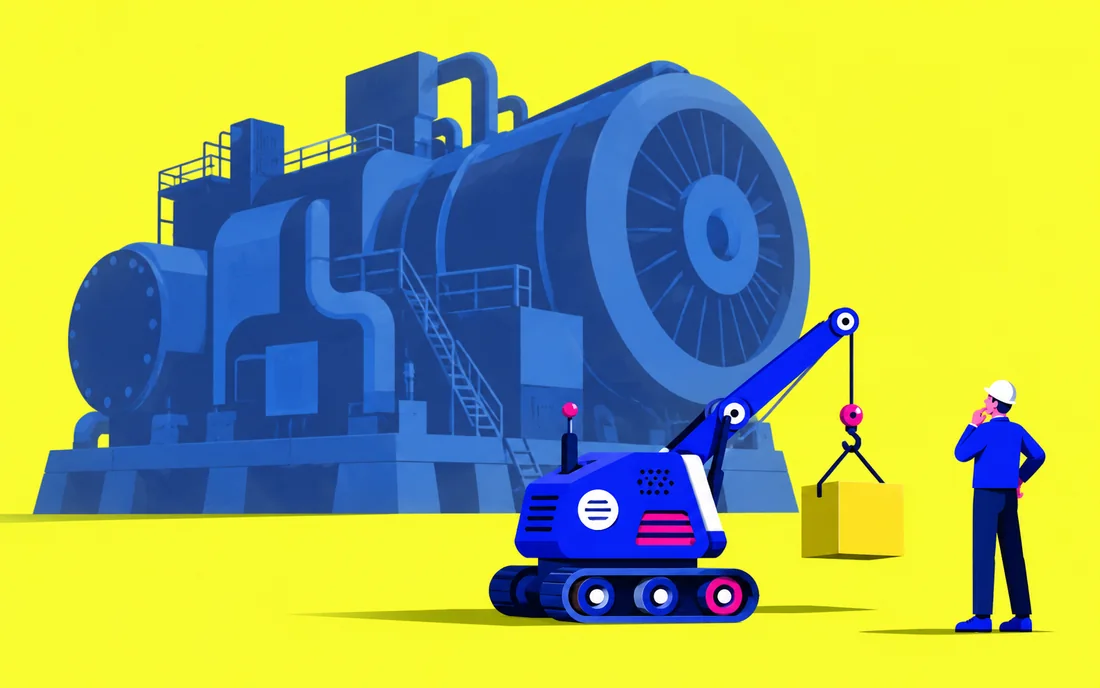
A small language model is a model with a comparatively limited size or resource requirement within a particular comparison. Small does not define a universal quality level. A constrained task may suit a smaller model when evaluation shows it meets the required accuracy and operating limits.
Match capability to the job
A model used to route short requests does not necessarily need the same breadth as one used for open-ended research. Smaller models can offer practical advantages in memory use and deployment, but size alone does not establish speed, cost or accuracy in a particular system.
Create a bounded comparison
Use the same representative inputs and success criteria for a smaller and a larger candidate. Include ambiguous cases and a route to human review. For an illustrative classification task, inspect errors for rare categories instead of relying only on overall accuracy.
Keep the surrounding system simple
Clear labels, concise context and well-defined outputs may matter more than adding model capacity. Measure actual end-to-end latency and resource use on the hardware you will operate. A smaller model that needs repeated retries may be a poor fit; a larger model that adds no useful accuracy may be unnecessary. The goal is the least complex system that meets the task’s quality and operating requirements, with a documented way to handle cases outside its competence.
A worked example
Try classifying short fictional requests into four well-defined categories. Compare a smaller and larger model on routine cases and ambiguous messages. Measure quality, memory and latency. If the smaller model meets the threshold, the extra resources of the larger option may not improve the workflow enough to justify their cost. Keep that conclusion limited to the tested task.
Questions readers ask
Can a small model be the right choice for a business task?
Yes, when it meets the task's quality, cost and response-time needs. Evaluate representative cases instead of selecting by size alone.
Follow the evidence.
AI-assisted explanation with linked technical references. Examples are illustrative learning exercises, not reported customer deployments or experimental results.
Public sources support the factual background. Analysis and illustrative exercises are identified in the text. How we assess AI · Editorial standards
Spot a factual error or an outdated detail?