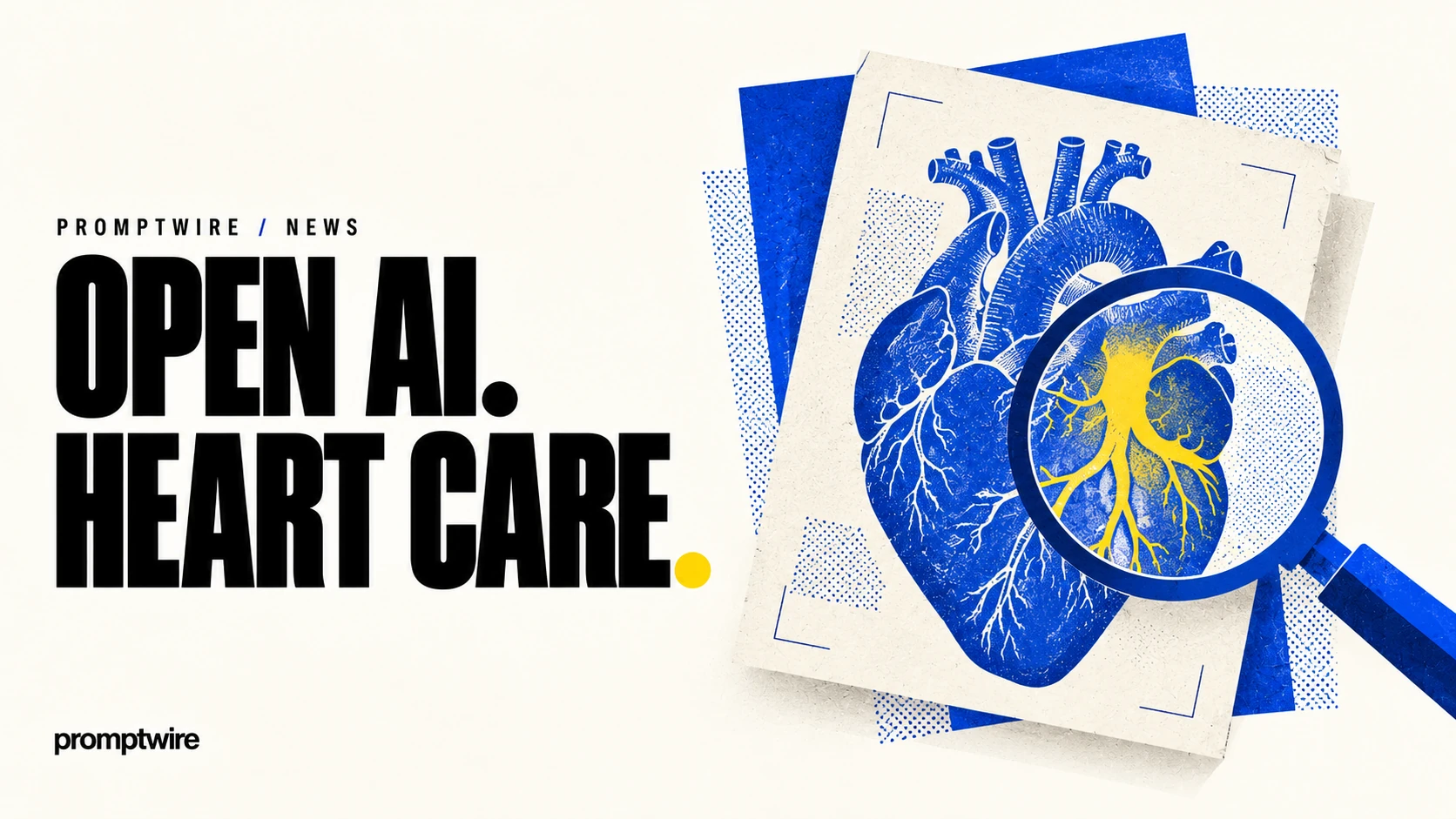
NVIDIA’s September 15 account describes Children’s Hospital of Philadelphia using open-source tools including MONAI and SlicerHeart to create cardiac models from medical images. The article also discusses ongoing work on physics-based simulations with Warp and Newton. Some future simulation capabilities remain in development.
Read the dated primary source ↓What the distinction means
Producing a model faster and improving a patient outcome are separate claims requiring different evidence. A vendor case study can describe a workflow and its reported benefits without establishing universal clinical effectiveness. Individual examples should not become promises about all patients or procedures.
What to examine next
Look for peer-reviewed validation, performance across relevant anatomy and imaging conditions, and the role of clinician review. The important question is how the tool fits a tested clinical process. This is coverage of research and software use, not a recommendation for treatment.
What this means in practice
A research release in healthcare should be read through its intended use, validation and limitations. Open availability can support further investigation without establishing clinical suitability in every setting. Distinguish a research asset from an authorised clinical workflow and keep patient-impacting decisions within the relevant professional process.
Questions readers ask
Does an open-source healthcare model establish clinical readiness?
No. Availability is different from validation and suitability for a clinical setting. Read the stated research scope and the evidence required for its intended use.
Follow the evidence.
Source-based coverage of the dated announcement below, with Promptwire analysis. Company-reported claims are attributed to their source. The update date reflects added context and answers; it does not change the original event date.
Public sources support the factual background. Analysis and illustrative exercises are identified in the text. How we assess AI · Editorial standards
Spot a factual error or an outdated detail?


