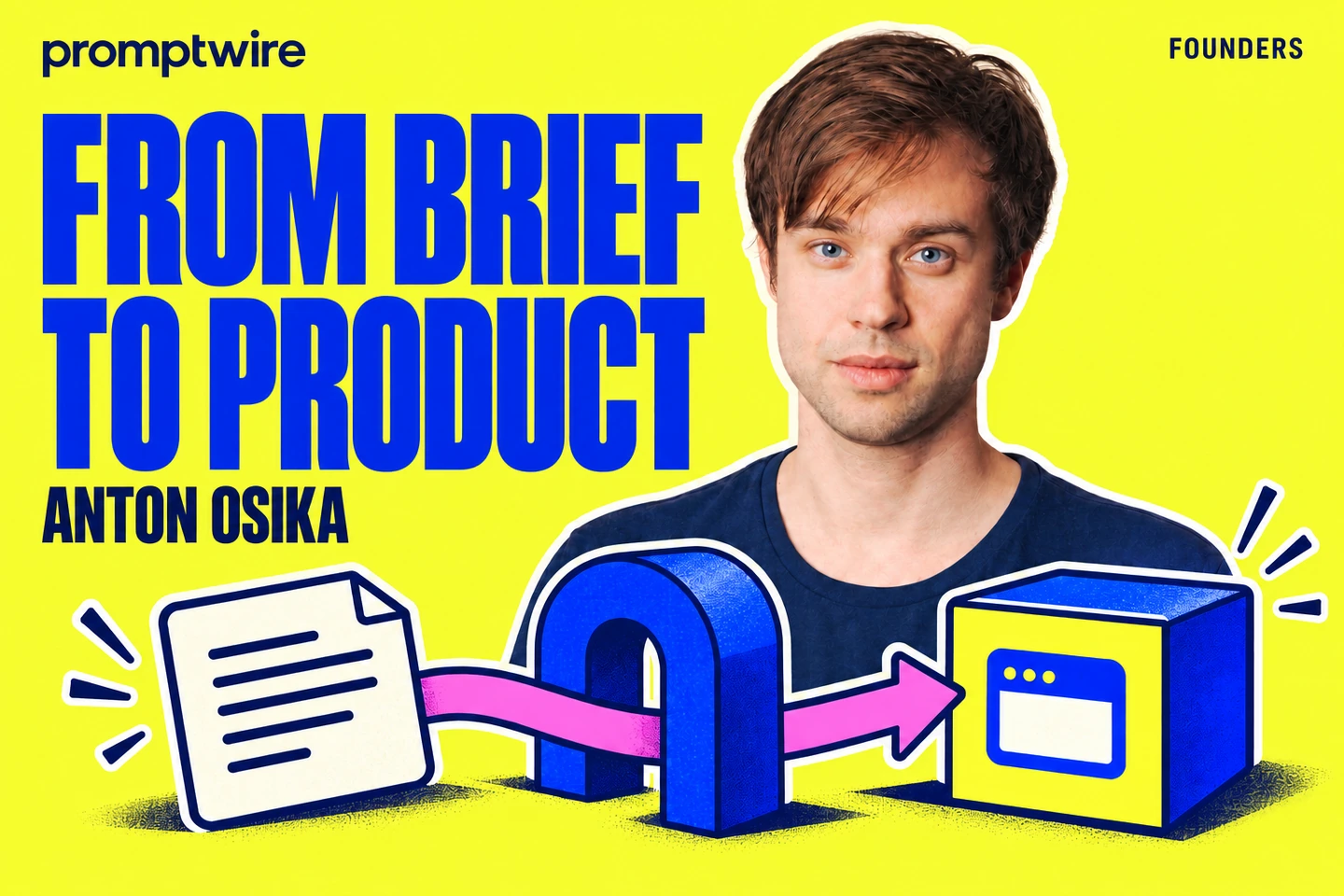
Anton Osika is Lovable's co-founder and chief executive. The product uses natural-language instructions as an entry point to building applications. His founder story is useful for understanding why an accessible building interface makes product judgement, clear requirements and careful testing more important to a wider group of people.
- Person
- Anton Osika
- Company
- Lovable
- Area of work
- Natural-language application building
The brief as an interface
Lovable identifies Anton Osika as its co-founder and chief executive in its public founder conversations. The product centres on turning natural-language requests into applications. That makes the quality of the brief—audience, data and expected behaviour—part of the building process.
Public record: Lovable: Anton Osika founder conversation
What does a good application prompt contain?
A useful brief names the audience, the task and the information the application manages. It also explains what should happen when something goes wrong. For a booking service, the visual layout is only one requirement: duplicate bookings, cancellations and availability updates are equally important. Natural language can make these requirements easier to express, but it does not decide them on the user's behalf. Our reading of the Lovable category is that product specification becomes an everyday skill rather than a document reserved for a development department.
Why a convincing preview can hide unfinished work
A screen populated with sample records can look complete even when authentication, persistence or permissions are absent. A founder building conversational software must therefore address the gap between visual confidence and operational readiness. Readers should look for evidence of how a tool exposes that gap. Can the builder inspect the data model, identify an external service and understand a failed action? A polished result is useful for discussing a concept; it is not evidence that all of the underlying behaviours have been implemented.
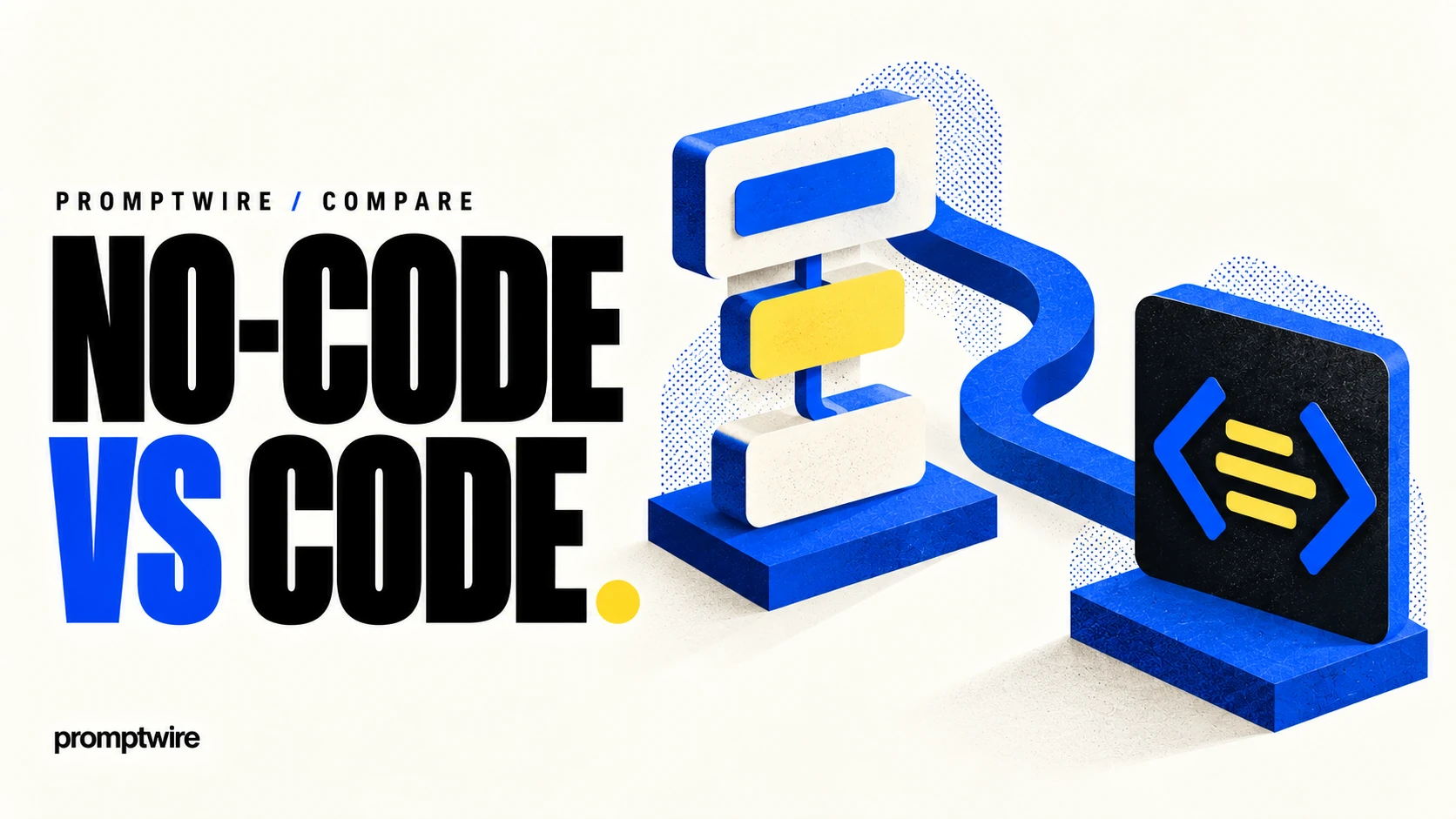
How to assess a no-code-to-code workflow
Build a small customer enquiry tracker using fictional contacts. Ask for separate owner and viewer roles, then test both accounts. Check whether records survive a reload, whether an unauthorised request is rejected and whether you can export the project. Record which fixes you made manually and which the assistant completed correctly. This proposed test focuses on handover and maintainability. It gives a more useful picture than counting how many seconds it took to create the first screen or repeating a company's growth claims.
Questions about Anton Osika
Does Lovable replace the need for requirements?
No. It changes how requirements can be expressed. The builder still has to decide what the product should do and check the resulting behaviour.
What should a nontechnical founder learn first?
Start with users, data, permissions and acceptance criteria. Those concepts help you review an application even before you understand every implementation detail.
Follow the evidence.
This AI-assisted profile combines the linked public record with Promptwire's editorial analysis. It is not an interview or a hands-on product review. Suggested tests are proposals, not reported results. Dated roles describe the period identified in the text. Company claims are attributed to their source.
Public sources support the factual background. Analysis and illustrative exercises are identified in the text. How we assess AI · Editorial standards
Spot a factual error or an outdated detail?