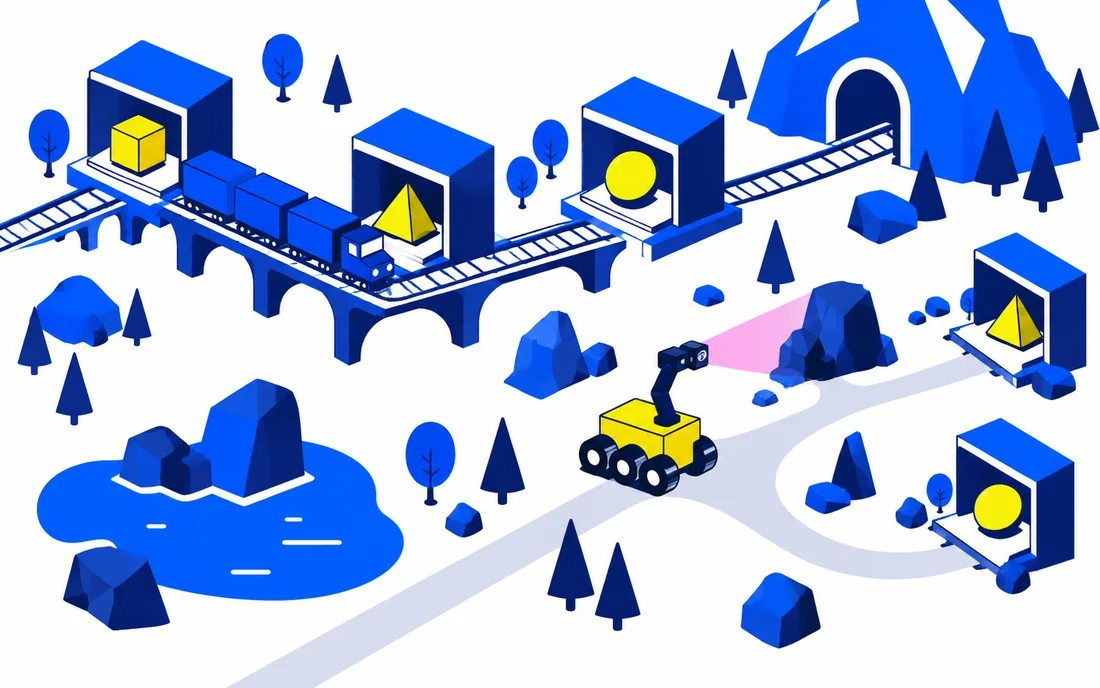
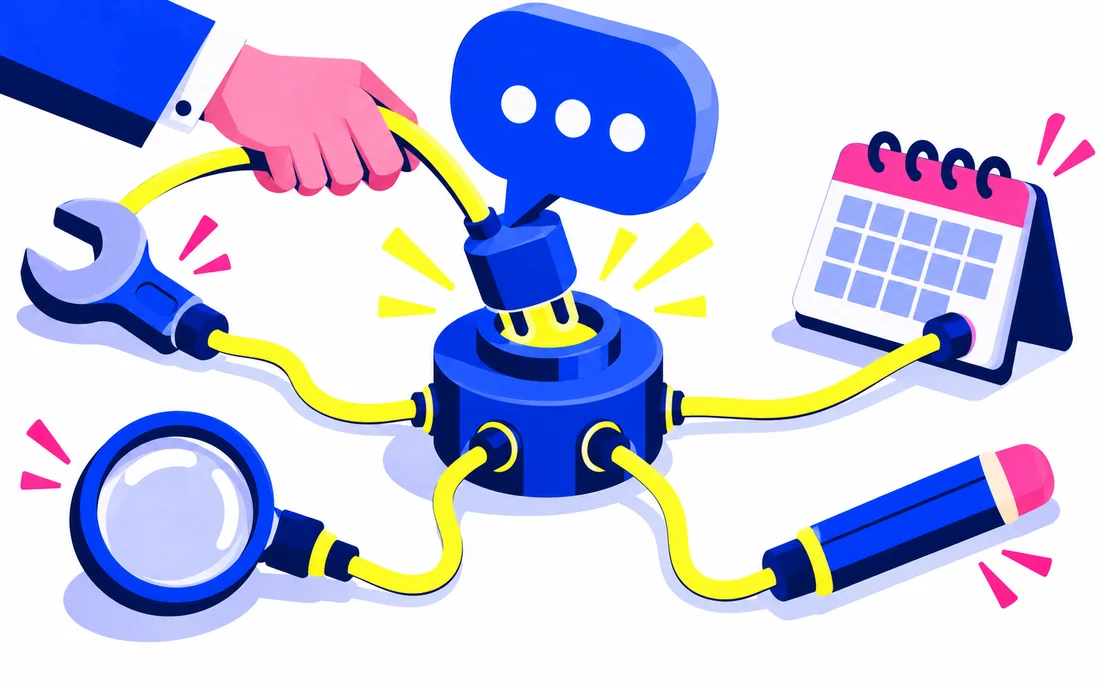
An AI agent is a system that uses a model to choose steps, call available tools and inspect results while pursuing a goal. Its surrounding software defines access, stopping rules and how a person can review or correct its work.
The action loop
An agent receives a goal, chooses a next step, uses an available tool and examines the result. It may repeat that cycle before returning an answer. A model alone produces output; the surrounding software decides which tools exist, what permissions apply and when execution must stop.
A concrete example
Consider an assistant preparing a weekly project update. It could read approved notes, identify unfinished tasks and create a draft. Each tool result becomes evidence for the next step. If a document is unavailable, the agent should report the gap rather than invent its contents. Sending the update is a separate action with a different consequence.
Design for completion
Define a visible success condition before adding more autonomy: the draft includes every project, dates come from the source and missing information is marked. Add a step limit and a way to resume after an error. Start with a narrow task you can inspect. An agent becomes useful when its actions and final state can be checked, not simply when it produces a convincing account of what it intended to do.
A worked example
Imagine preparing a project update from approved notes. The agent retrieves each document, extracts unfinished tasks and creates a draft. One source is unavailable, so it marks that project as incomplete instead of inventing progress. Sending the draft remains a separate, approved action. The useful result is an inspectable document with a clear account of missing evidence, not simply a message saying the assignment is finished.
Questions readers ask
Is every chatbot an AI agent?
No. A chatbot may only generate replies. An agentic workflow uses model-driven decisions and tools to pursue a task through one or more steps.
Follow the evidence.
AI-assisted explanation with linked technical references. Examples are illustrative learning exercises, not reported customer deployments or experimental results.
Public sources support the factual background. Analysis and illustrative exercises are identified in the text. How we assess AI · Editorial standards
Spot a factual error or an outdated detail?